June 1, 1998: Program Establishment
The Master’s Program in English Language Education (PPBING) was established based on DIKTI Decree No.160/DIKTI/Kep/1998 signed by Director General of Higher Education Bambang Soehendro.
May 9, 2016: Operational Permit
The operational permit was granted by the Rector of UPI through Decree Number 4114/UN40/PI/20016 signed by Prof. H. Furqon, M.A., Ph.D.
August 10, 2006 – August 10, 2011
Accredited B (Good) by BAN-PT.
January 10, 2013 – January 10, 2018
Accredited A (Excellent).
April 3, 2013 – April 3, 2023
Received an A accreditation from BAN-PT.
April 4, 2018
The program received an A accreditation based on Decree No. 959/SK/BAN-PT/Akred/M/IV/2018.
The Master's Program (PPBING) specializes in preparing teacher educators, education experts, researchers, program developers, and education analysts in English Language Education. Its alumni are spread across various sectors both domestically and abroad. To improve quality and networking, the program actively collaborates with national and international associations such as ASPBI, TEFLIN, ASIATEFL, International TEFL, and TESOL, as well as higher education institutions in Australia, the United States, New Zealand, and ASEAN countries through scholarship schemes, FLTA, visiting scholar programs, joint seminars, and joint publications.
To become a leading and outstanding bachelor, master's and doctoral study program in the world with cutting-edge theories and innovative practices in English language education in line with the demands of contemporary society by 2040.
To organize a leading and innovative master's English language education study through three pillars of higher education with functional and cutting-edge theories and practices in linguistics, pedagogy, and technology in line with the demands of the society.
- Make use of theoretical and practical knowledge and skills in English as a Foreign Language education in academic and professional contexts (with the reference to level B2 of CEFR) with other relevant supportive knowledge.
- Analyse lesson planning, teaching practice and evaluation in EFL education contexts using an appropriate analysis framework based on functional and cutting-edge theories and practices of linguistics, pedagogy and appropriate technology and resources.
- Apply morals, ethics, and university core values to uphold and maintain academic and social relations.
- Demonstrate 21st century skills, especially regarding creativity, collaboration, communication, and critical thinking in multidisciplinary skills and multi socio-cultural contexts.
- Perform continuous self-development in improving professional performance quality.
- Perform research projects to contribute to the development and enhancement of EFL education, aligned with functional and cutting-edge theories and practices of linguistics, pedagogy, and technology.
-
Prof. Emi Emilia, M.Ed., Ph.D.
Position: Head of English Language Education Program
Expertise: Systemic Functional Linguistics, Writing for Academic Purposes, EFL Curriculum Analysis, Grammar (Advanced) -
Dr. Rojab Siti Rodiyah, M.Ed.
Position: Secretary of the English Language Education Program
Expertise: Grammar: Basic and Advanced, Writing in Professional Contexts, Intercultural Communication
English Language Education Program
School of Postgraduate Studies – Universitas Pendidikan Indonesia
Jl. Setiabudhi No 229
Postal Code 40154 Bandung City
Instagram: @englishedu_upi
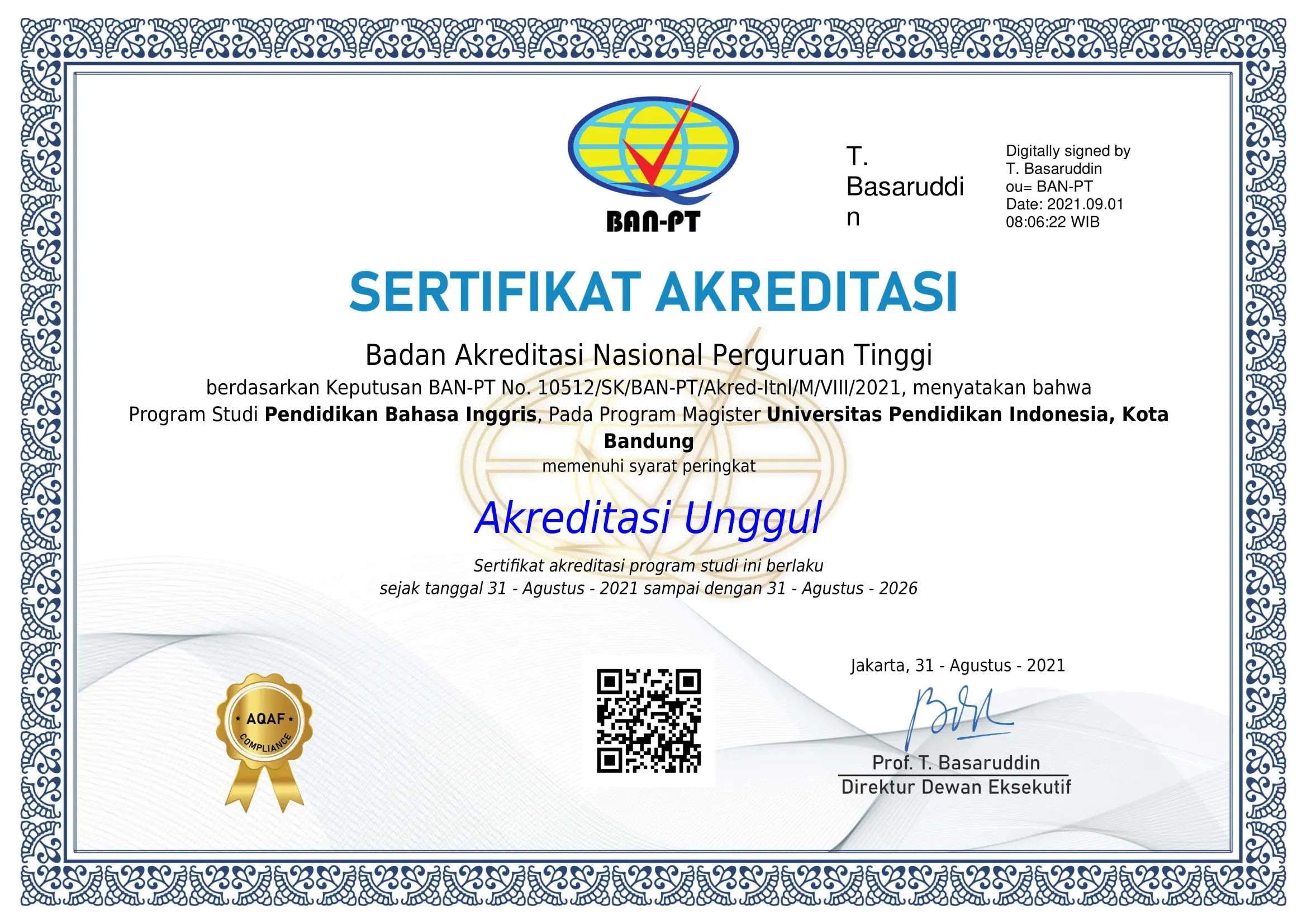
National Accreditation (BAN-PT)
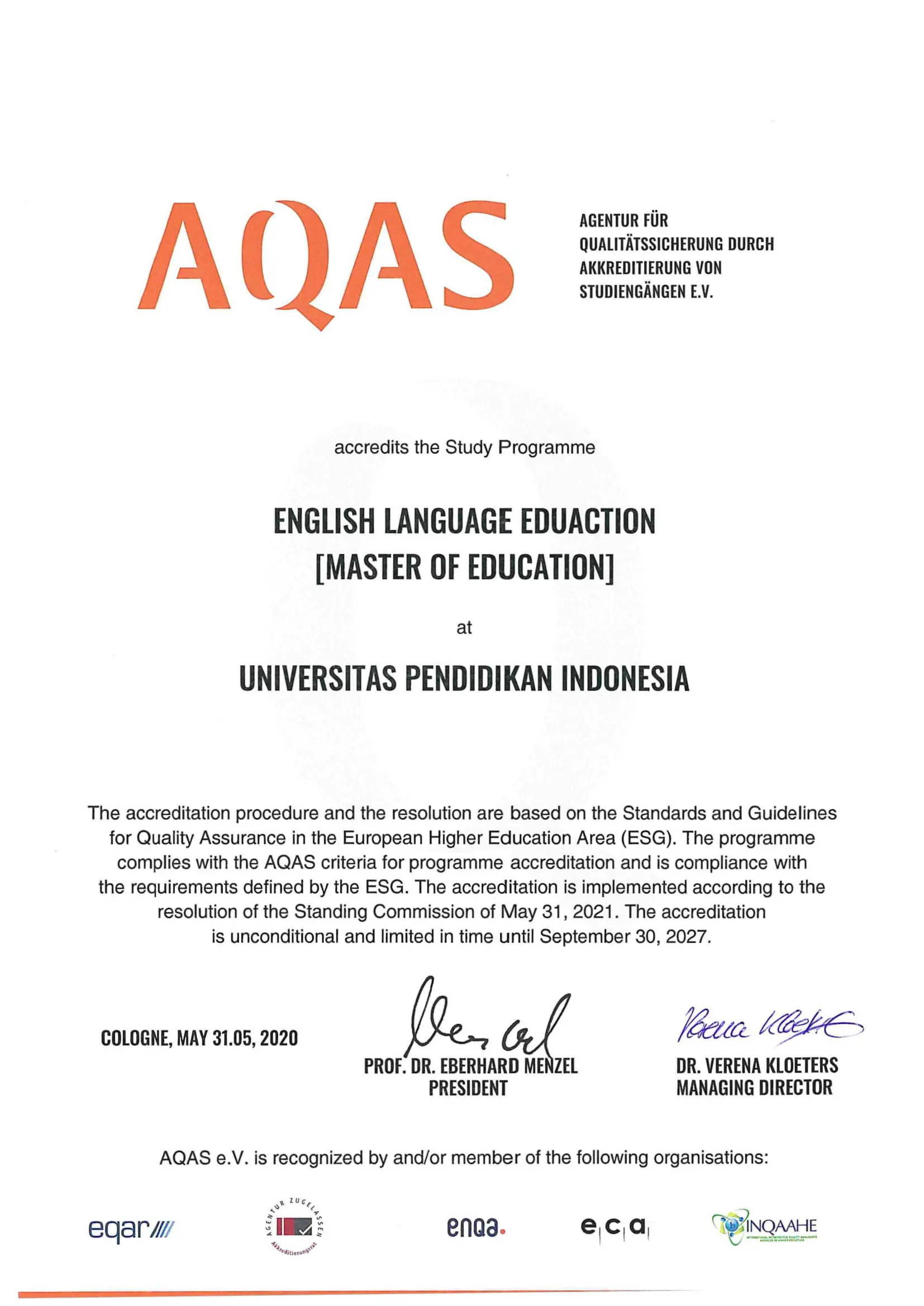
International Accreditation (AQAS)
Facilities at FPBS UPI
A complete list of facilities within the Faculty of Language and Literature Education (FPBS) UPI is available via the link below.
View FPBS FacilitiesGeneral Facilities at UPI
Beyond the faculty level, UPI also provides a variety of general supporting facilities for the entire academic community.
View UPI Facilities
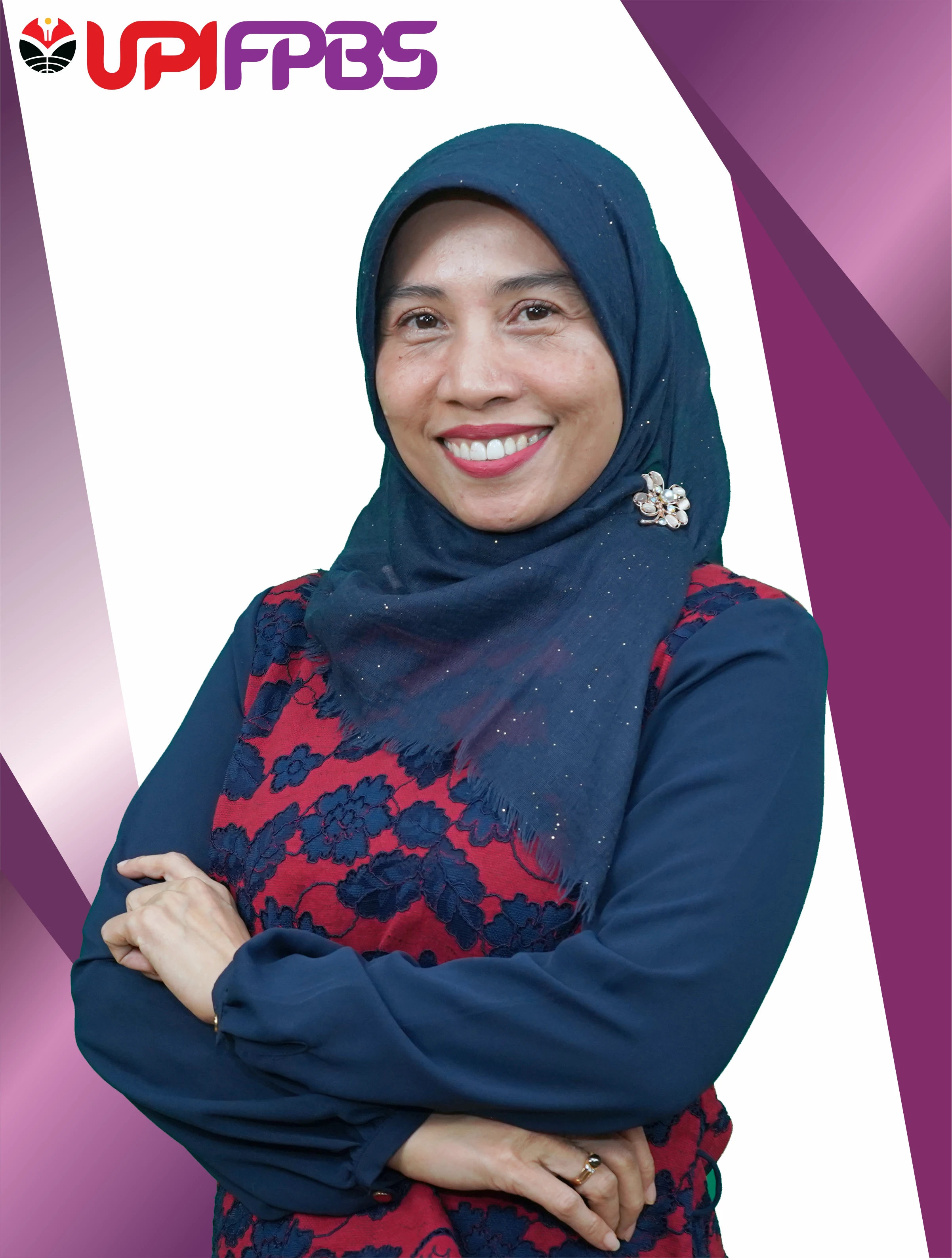
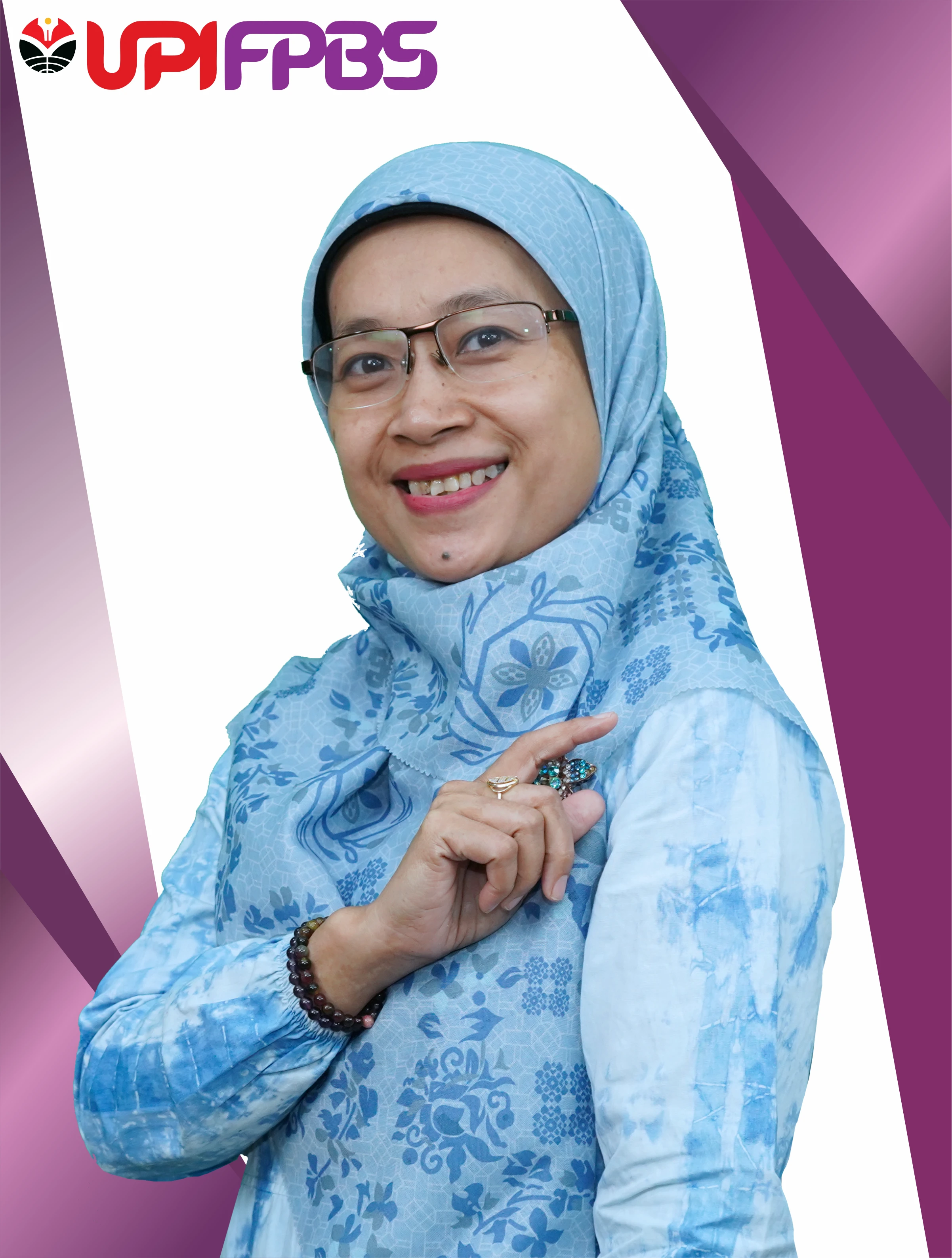
Learning Innovation Research (2024–2025)
Prof. Dr. Didi Sukyadi, M.A.
Exploring semiotic affordances of tablets in translation classes for prospective teacher students.
Prof. Emi Emilia, M.Ed., Ph.D.
Enhancing students' contextual awareness in interpreting classes using computer-assisted interpreting tools through a genre-based approach.
Dr. Fazri Nur Yusuf, M.Pd.
Accelerating assessment literacy of prospective English teachers through dialogic reflection in deep learning contexts: A study in secondary schools in Sleman Regency, Special Region of Yogyakarta.
Ika Lestari Damayanti, M.A., Ph.D.
The use of generative AI DeepSeek in content-based English learning (Content-Language Integrated Learning) in bilingual classrooms.
Dr. Lulu Laela Amalia, S.S., M.Pd.
English teachers' reflections on the use of metalanguage in teaching English as a foreign language in Indonesia.
Annisa Rahmadani, S.Pd., M.A.
Utilizing translanguaging strategies in academic speaking classes (Speaking for Academic Purposes) in higher education.
Drs. Deddy Suryana, M.A.
The effect of English communication skills on the economic activities of street vendors in the Tangkuban Perahu tourist area, West Java (2025–2025).
Suharno, M.Pd.
Needs analysis of English teaching materials for members of the Public Relations Division of the Indonesian National Police at Subang District Police.
Community Service (Field of Study) 2024–2025
Dr. Fazri Nur Yusuf, M.Pd.
Training on dialogic reflection models to accelerate assessment literacy in deep learning for English teachers in Klaten Regency, Special Region of Yogyakarta.
Dr. Finita Dewi, S.S., M.A.
Integration of deep learning and technology in language teacher education.
Gin Gin Gustine, M.Pd., Ph.D.
Enhancing the knowledge and teaching skills of high school English teachers in deep learning approaches in the Special Region of Yogyakarta.
Dr. Iyen Nurlaelawati, M.Pd.
Mentoring junior high school English teachers in the Special Region of Yogyakarta to adapt deep learning-based teaching materials.
Dr. Muhammad Handi Gunawan, M.Pd.
Training on Technological Pedagogical and Content Knowledge (TPACK) for English teachers.
Prof. Dr. Sri Setyarini, M.A.Ling.
IHT HOTS in Deep Learning for English teachers in Klaten Regency: A breakthrough in strengthening 21st-century teacher professional competence.
International Research / Collaborative Research of Indonesian LPTKs (RKLI) 2024–2025
Ahmad Bukhori Muslim, M.Ed., Ph.D.
Intercultural communicative competence (ICC) in English language teaching to promote tourism: Comparing students' attitudes in Indonesia and Uzbekistan.
Gin Gin Gustine, M.Pd., Ph.D.
Enhancing preservice teachers' knowledge and skills in sustainability through the Education for Sustainable Development (ESD) model in Indonesia and Japan.
Ari Arifin D., S.Pd., M.Ed., Ph.D.
Exploring Informal Digital Learning of English (IDLE) activities carried out by students outside formal contexts.
Pupung Purnawarman, M.Sc.Ed., Ph.D.
HOTS in multiliteracy pedagogy: ESP learning model to strengthen students' critical digital literacy skills in English study programs.
Prof. Dr. Hj. Nenden Sri Lengkanawati, M.Pd.
Integration of artificial intelligence in academic writing: A qualitative study on the use of generative AI by postgraduate students.
Prof. Dr. Sri Setyarini, M.A.Ling.
Application of HOTS in multiliteracy pedagogy: Breakthrough models to strengthen students' mental health literacy.
Prof. Hj. Emi Emilia, M.A., Ph.D.
Investigation of the implementation and development of text-based English teaching over the last two decades and the integration of AI in high schools in West Java.
Additional Community Service 2024–2025
Drs. Deddy Suryana, M.A.
English language competency training for tourism police officers in Subang Regency.
Ika Lestari Damayanti, S.Pd., M.A., Ph.D.
Development of a digital technology-based multiliteracy ecosystem through collaboration between parents, teachers, and communities.
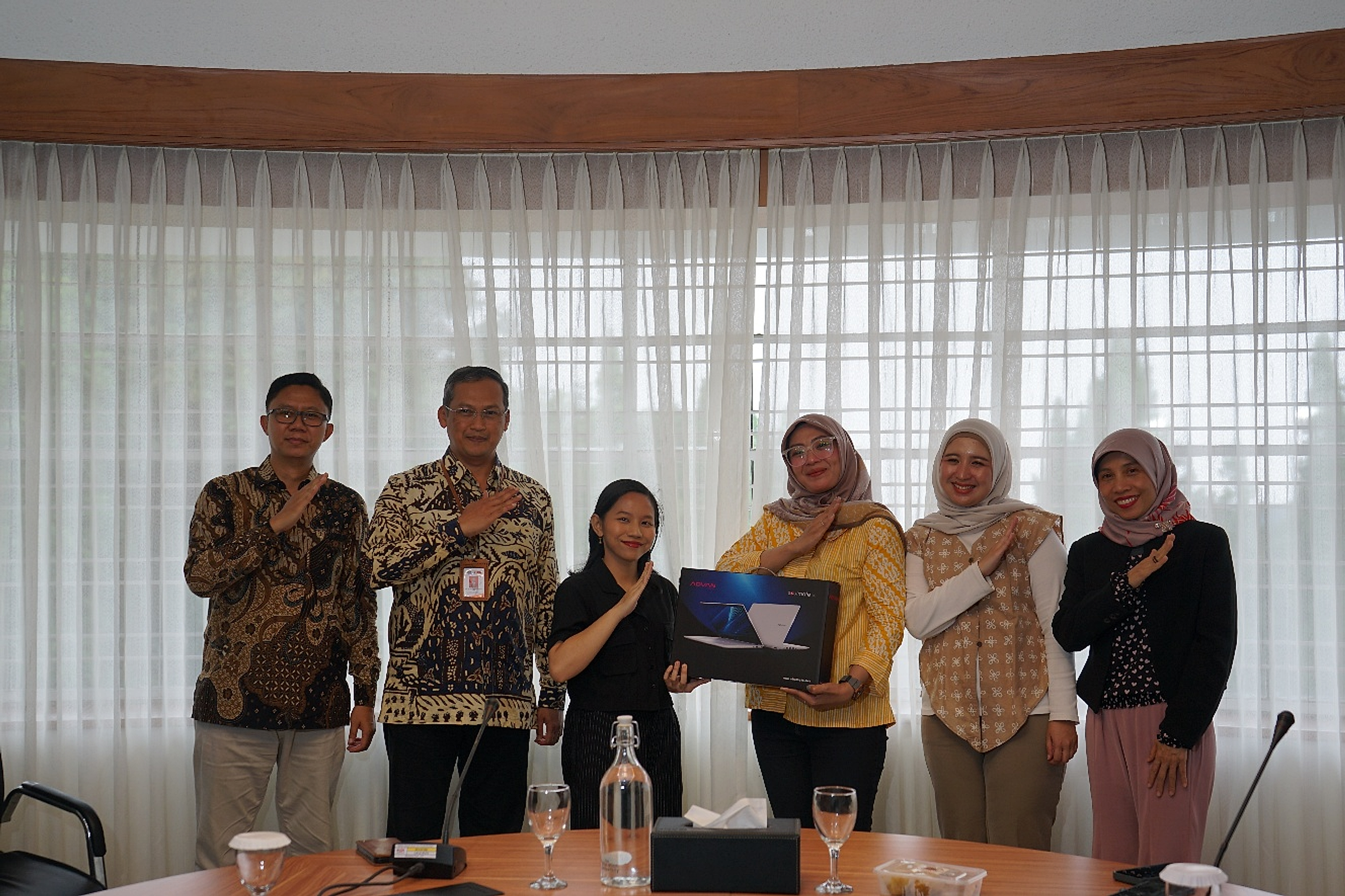
May 13, 2026
FPBS UPI Student Receives Laptop Assistance from BRI
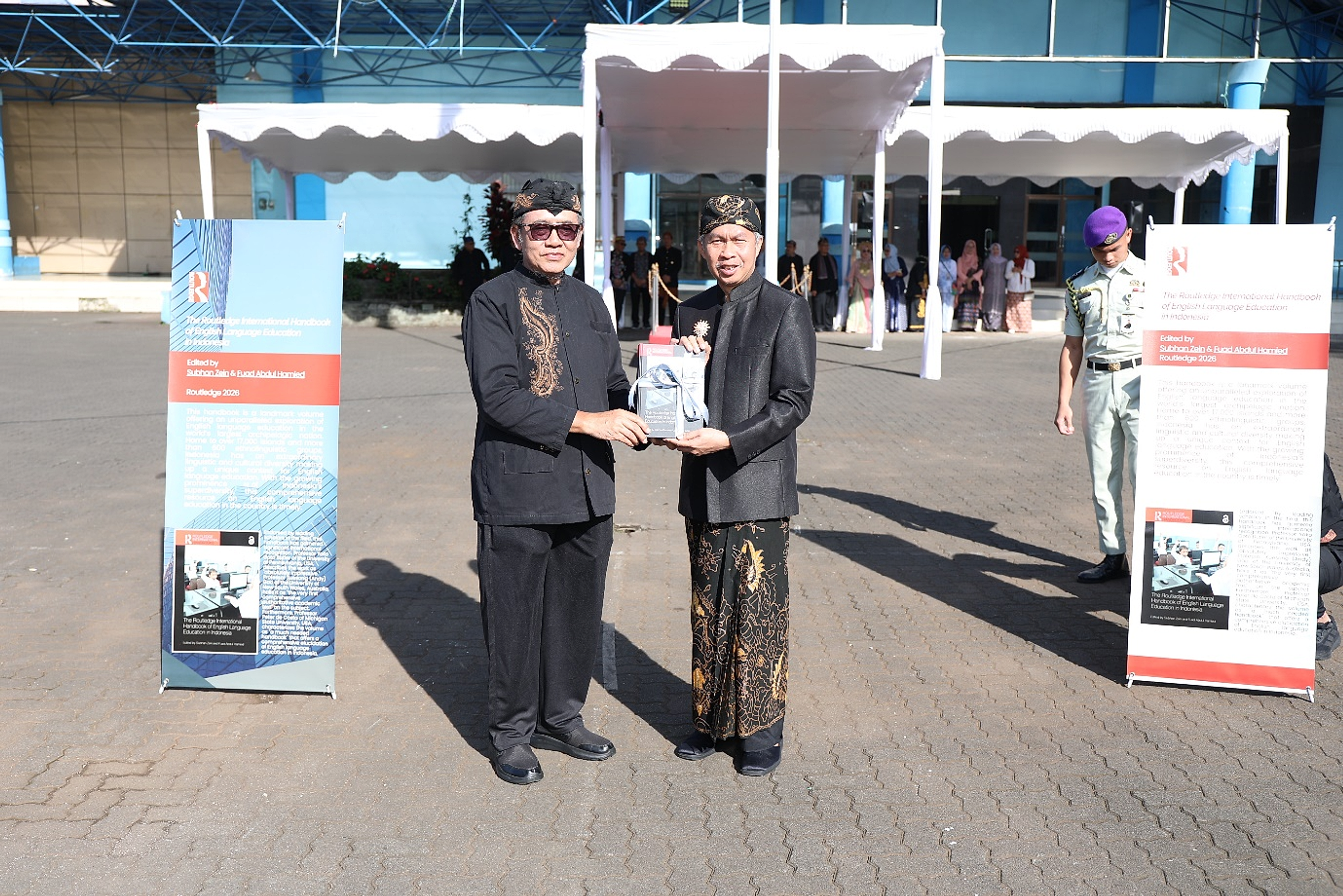
May 2, 2026
Global Academic Contribution: Prof. Fuad Abdul Hamied Receives Routledge Book Grant Award
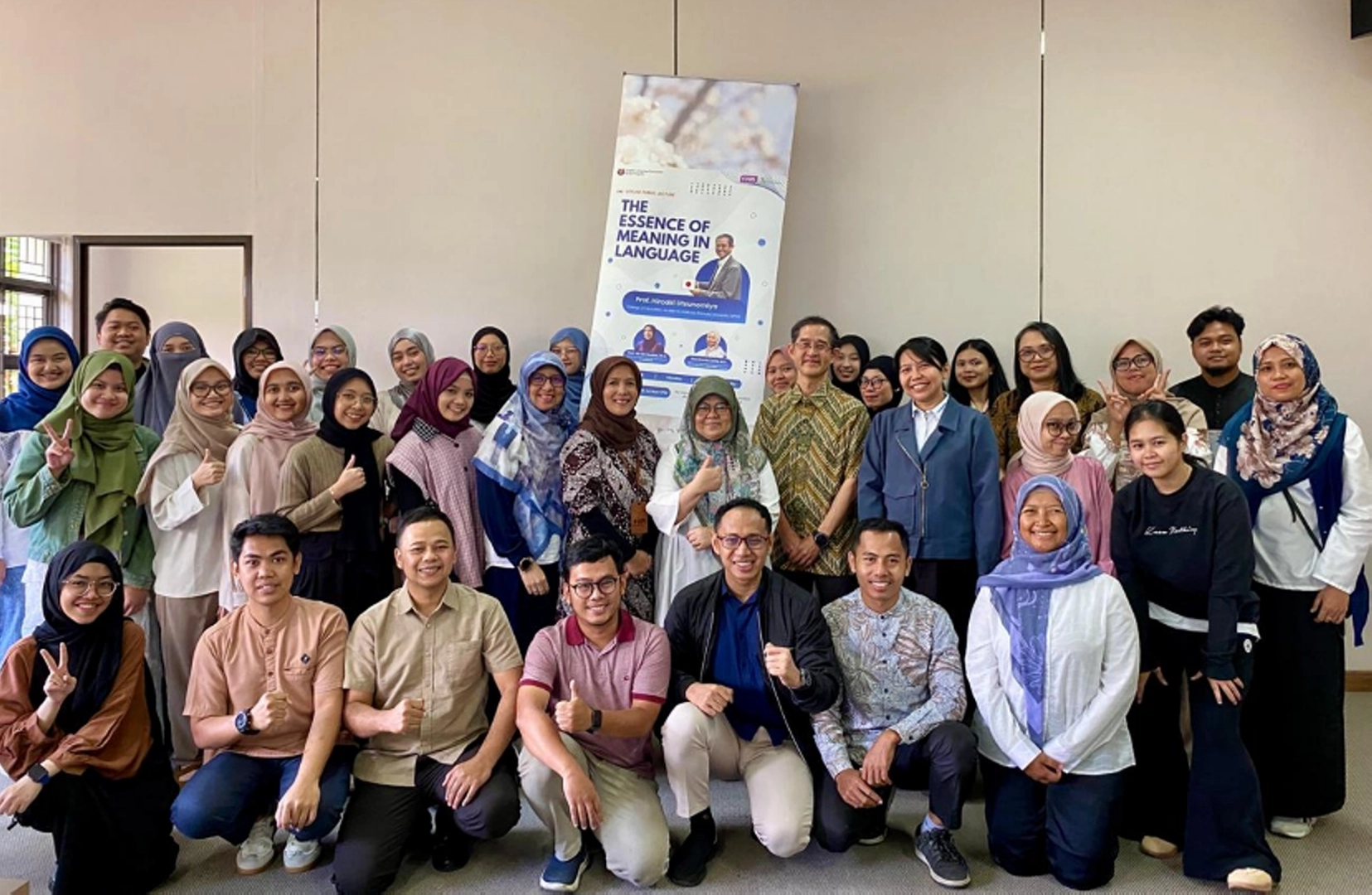
March 3, 2026
FPBS UPI’s English Language Education Program Holds Public Lecture “The Essence of Meaning in Language”
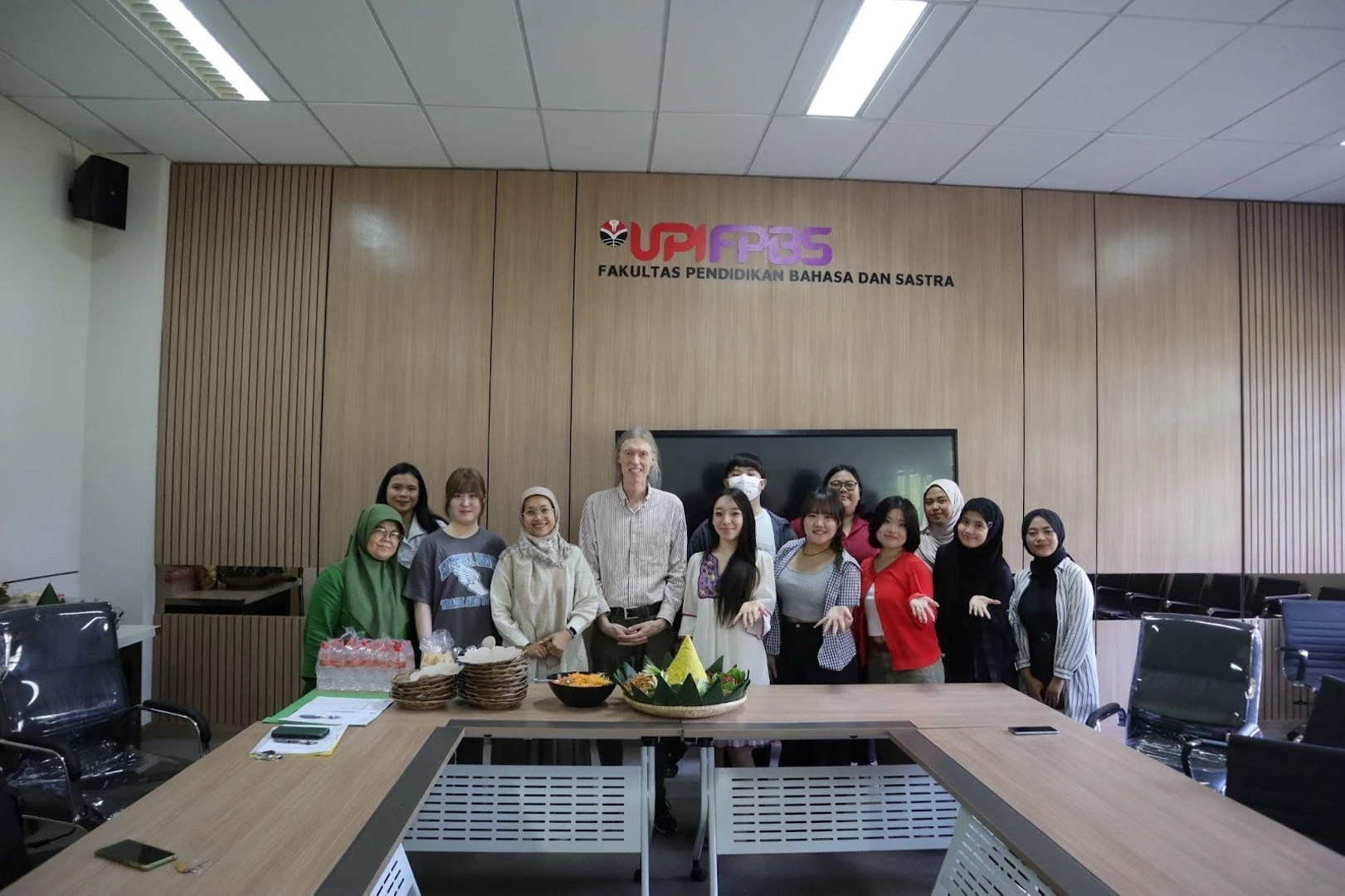
February 13, 2026
FPBS UPI’s English Language Education Program Welcomes Visit from Konan University Students
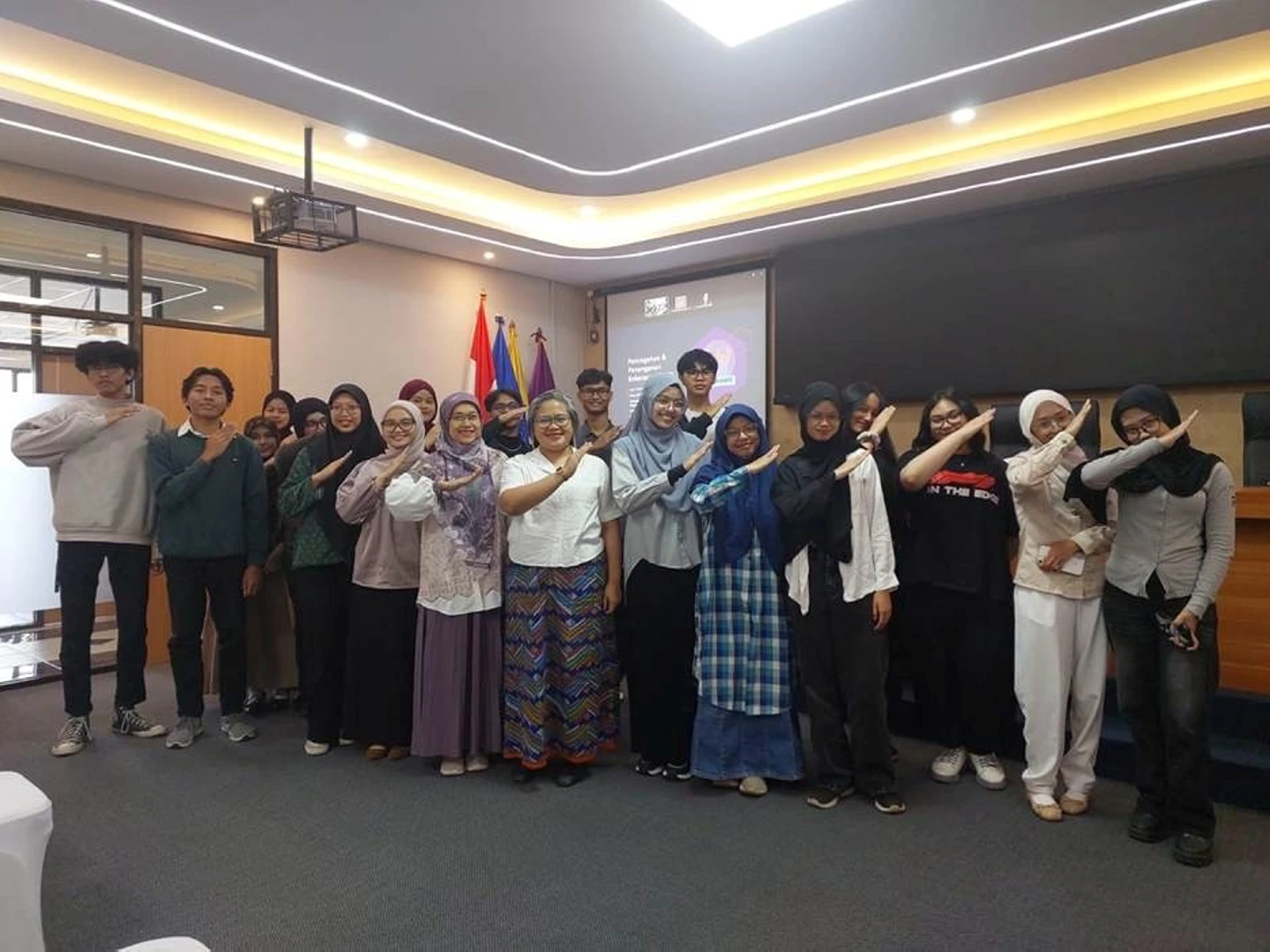
November 24, 2025
FPBS UPI Promotes a Safe Campus Through Anti-Bullying Education
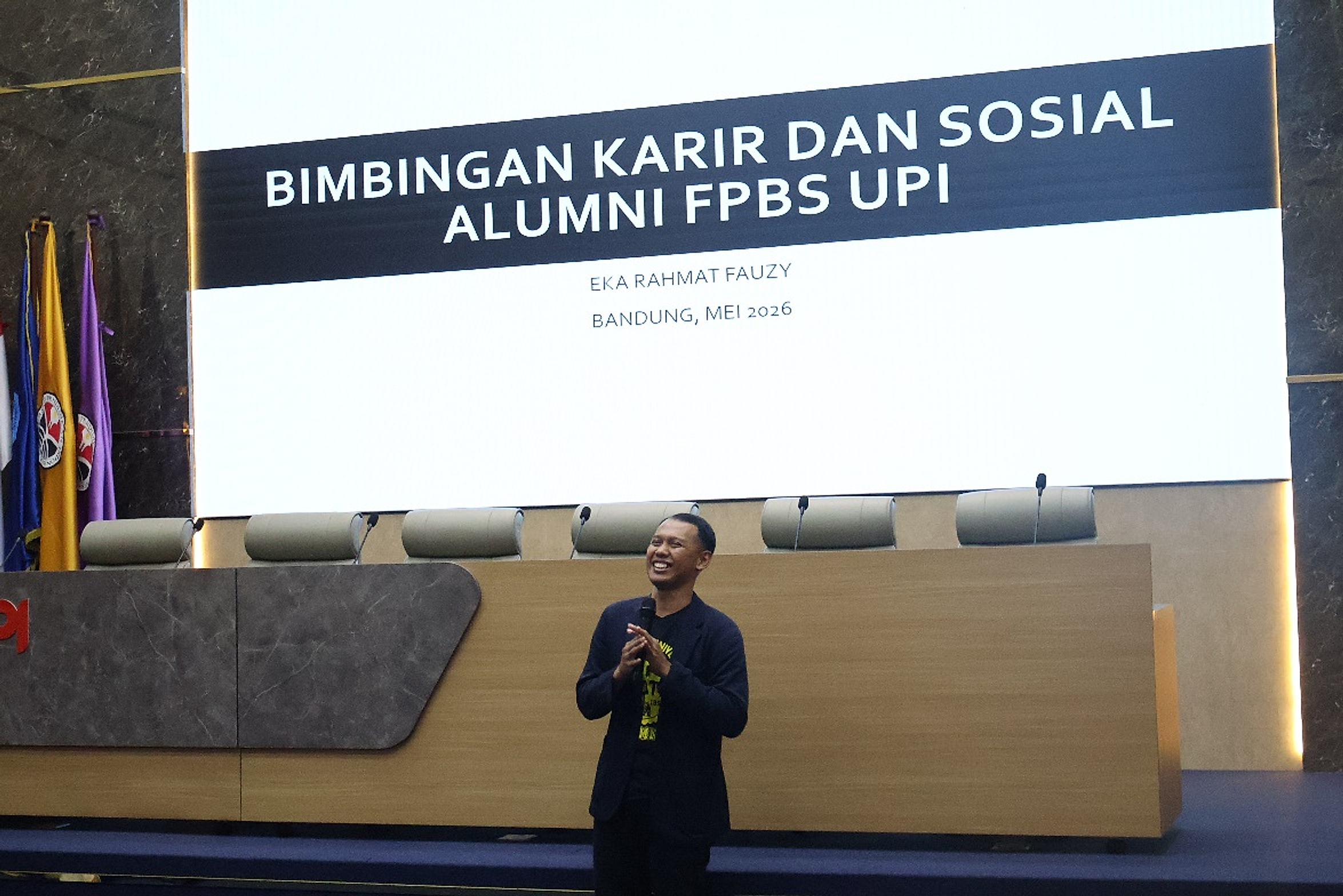
May 9, 2026
FPBS UPI Holds Career Guidance Session for 2026 Wave II Graduating Students
May 5, 2026
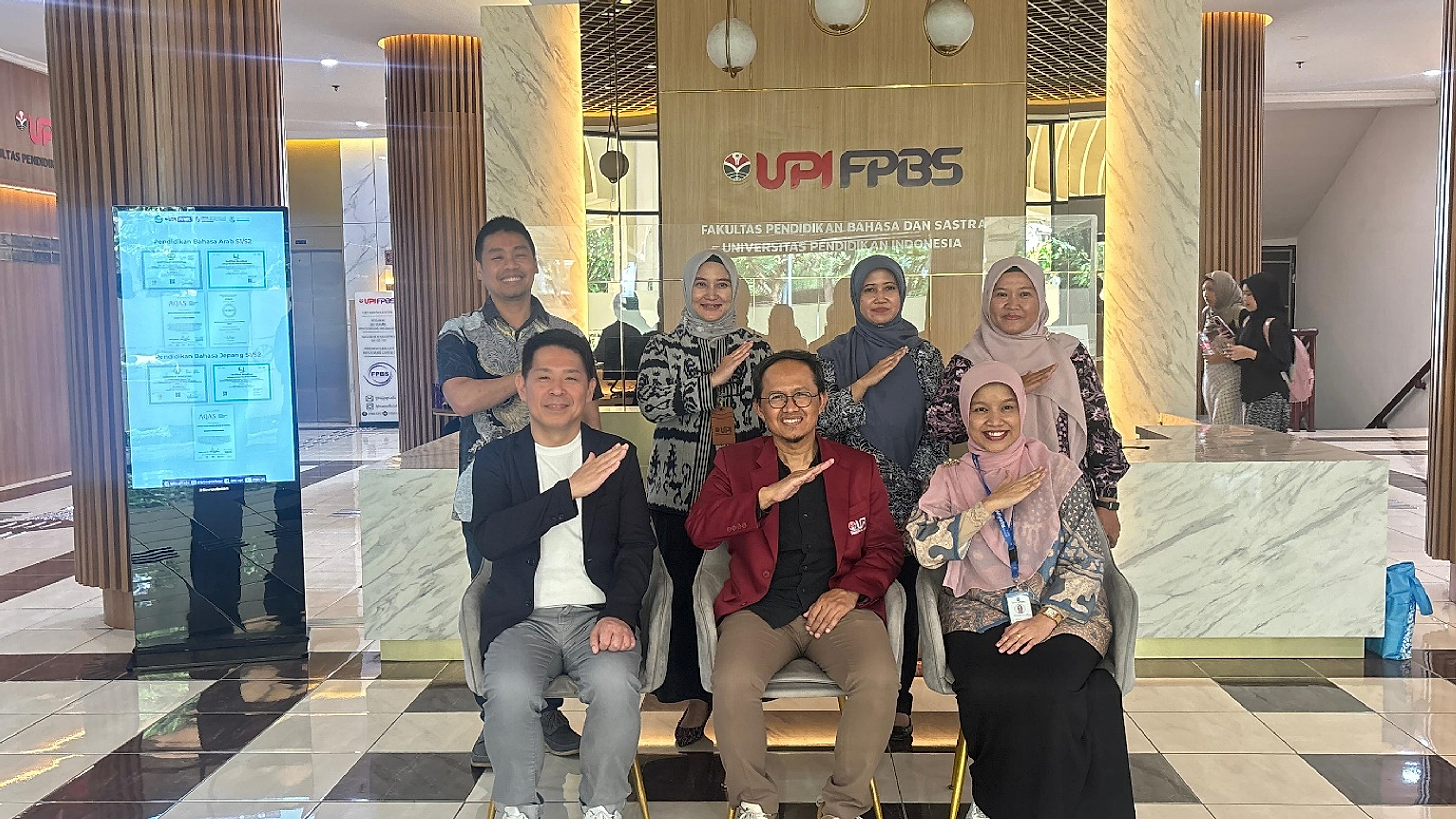
Expanding Students' Global Opportunities, FPBS UPI Signs Cooperation Agreement with Sekiya Resort for the MBKM Internship Program in Japan
April 21, 2026
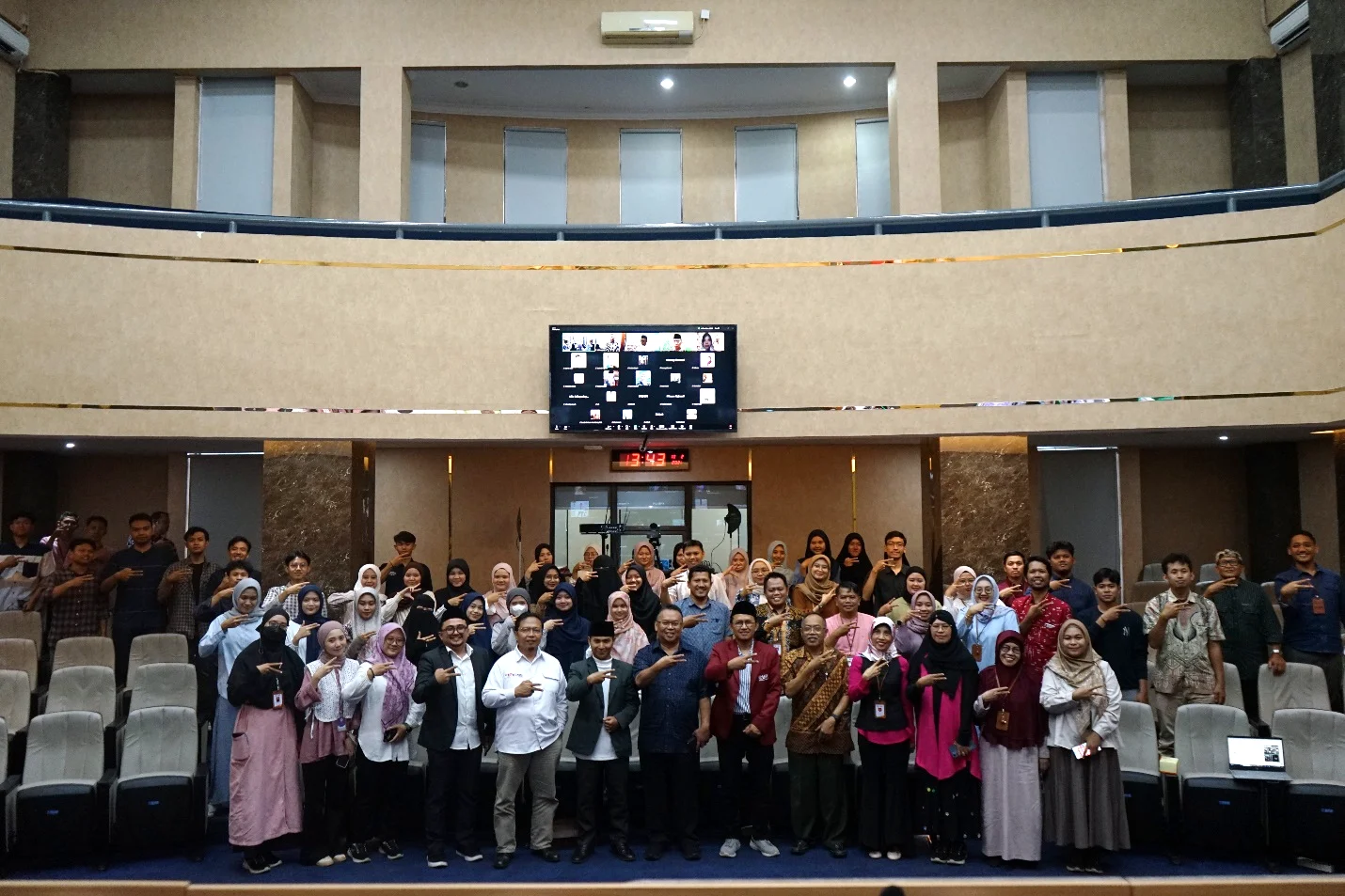
FPBS Holds Ramadan 1447 H Committee Dissolution Meeting, Appreciating Togetherness and the Successful Implementation of Religious Activities at Al Furqan Mosque UPI
April 17, 2026
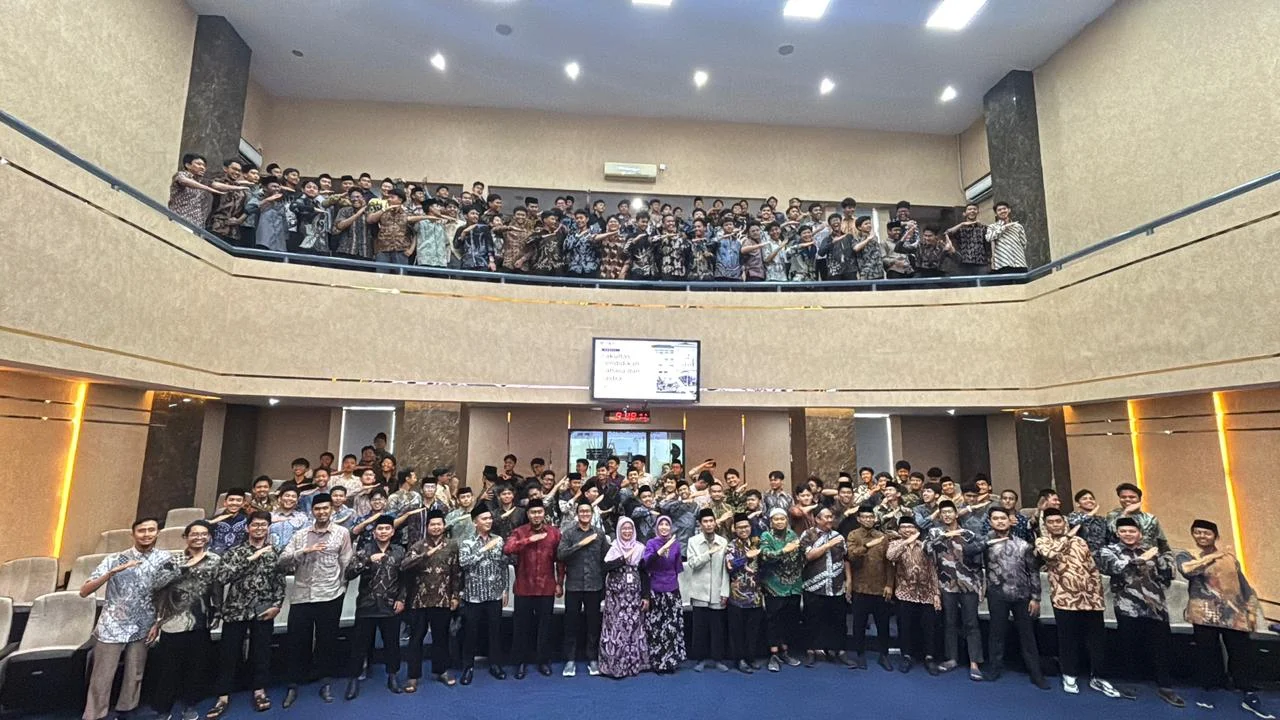
Educational Visit from Madrasah Aliyah Al-Matuq Sukabumi

April 17, 2026
FPBS Curriculum Development Team Aligns Perceptions on Filling Out CPL Rubrics Integrated with the Curriculum System and SPOT