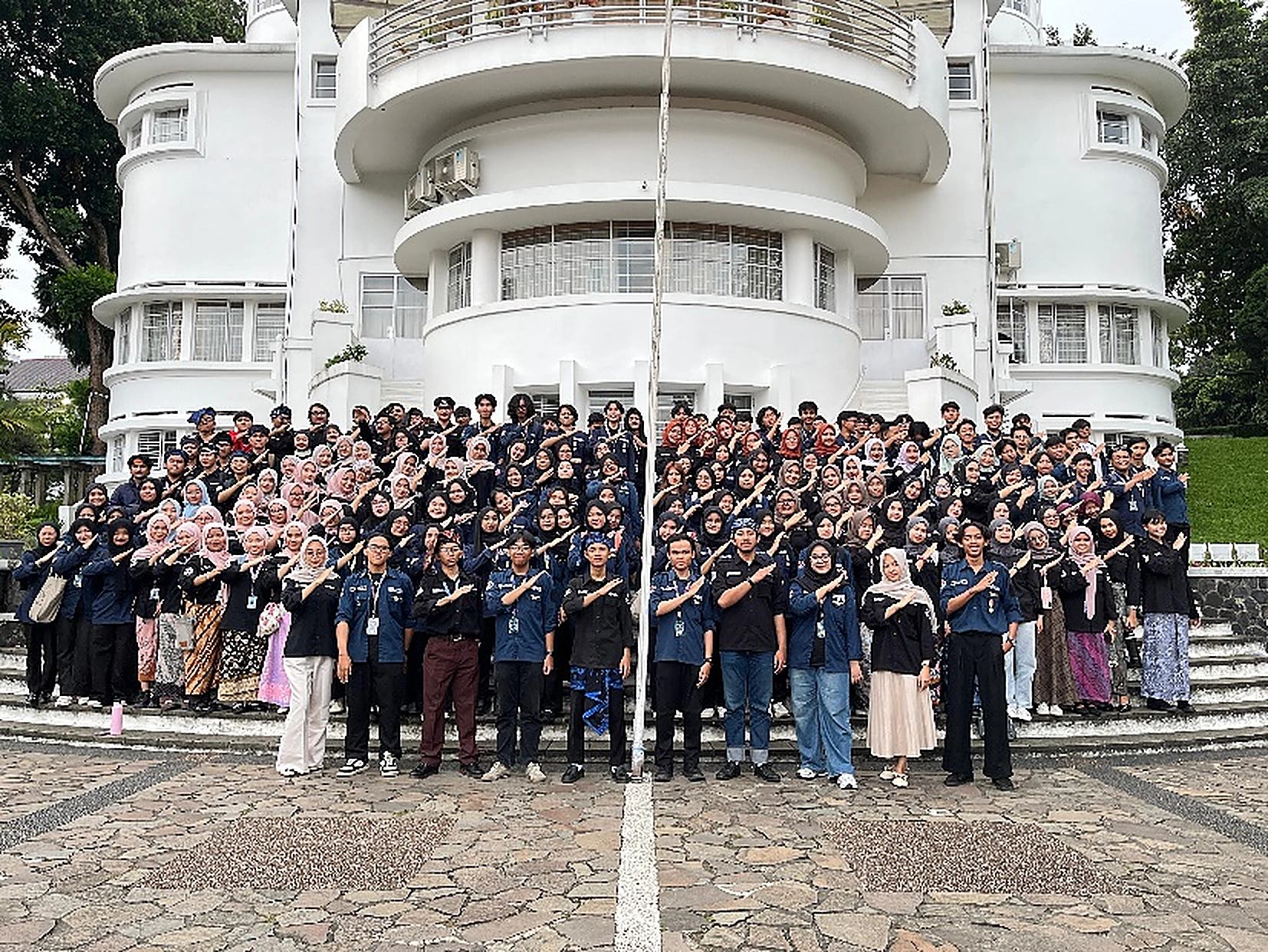
BANDUNG, WPs. - BEM Hima Pensatrada, through its Cadre Development and Reasoning Division (Kalar) together with the Public Relations and Publications Division (Humpub), successfully organized a comparative study activity titled “Saba Hima 2026” on Sunday, 3 May 2026. In collaboration with Hima Pedia (the Multimedia Student Association), this annual agenda was held in Bandung to strengthen ties among students from two different academic fields. Beyond expanding communication networks, the forum became a dynamic space for exchanging organizational experience through a series of presentations, ice-breaking activities, and inter-division Focus Group Discussions (FGDs).
“Saba Hima serves as a space for fellowship and for sharing insight among students so that our organizations can grow together,” said Alya Yesa, the Chief Organizer, in her opening remarks. Before all participants, she expressed gratitude and deep appreciation to everyone who had taken the time to make this collaboration successful. Alya hoped that this meeting space would continue to serve as a productive forum for exchanging knowledge, strengthening bonds of kinship, and enriching students’ leadership experience within the campus environment.
A similar appreciation was also conveyed by the Student Affairs Lecturer of Sundanese Language Education, Dr. Dian Hendrayana, M.Pd. He emphasized that today’s students need adaptive spaces to learn organizational governance directly from other institutions. “Students need spaces where they can learn how to organize directly from other organizations so that they are able to build good communication and cooperation,” he explained. According to him, cross-disciplinary activities like this not only broaden technical insight into organizational bureaucracy, but are also effective in shaping inclusive and collaborative leadership character.
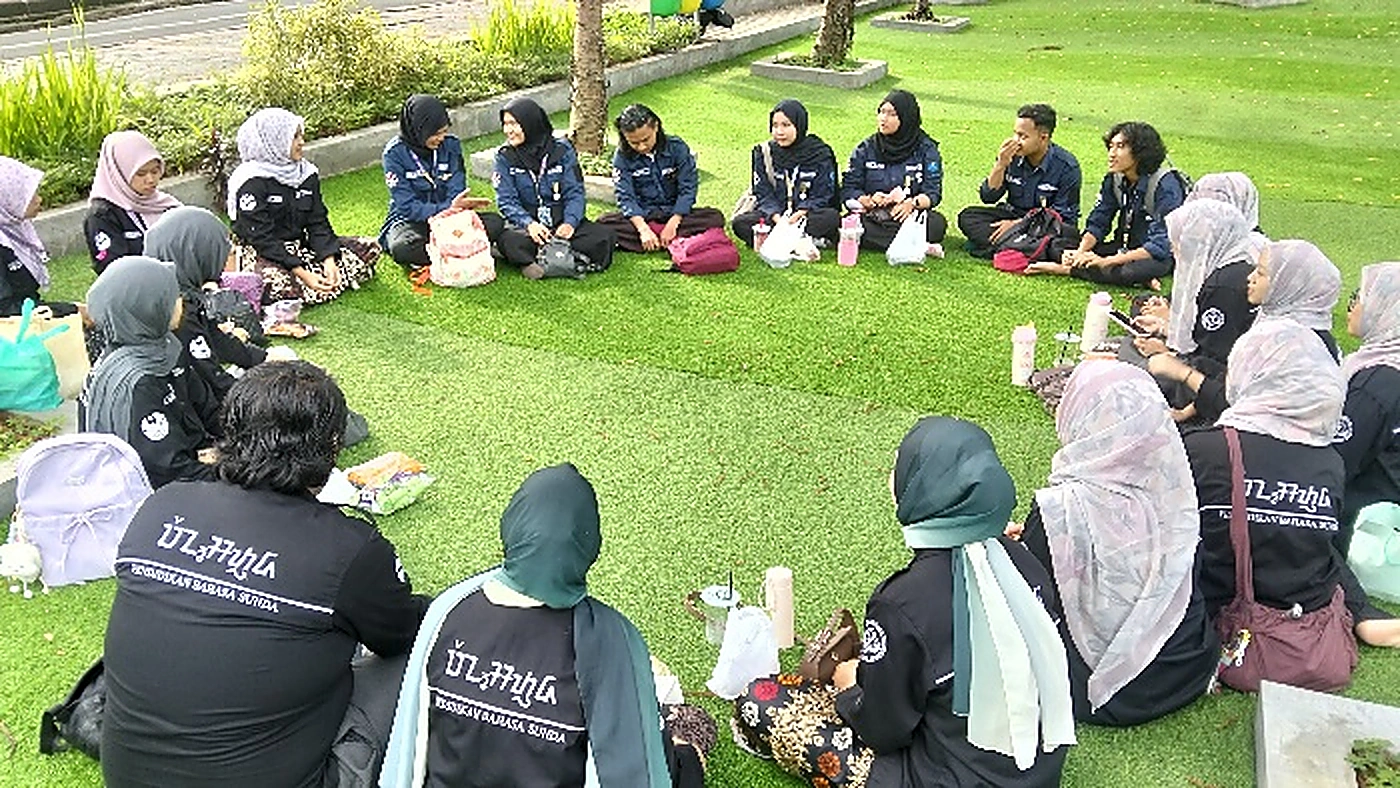
Furthermore, Dr. Dian Hendrayana added that the essence of a comparative study lies in the courage to adopt good practices from one another in order to create new innovations. Healthy bilateral relations among student associations must be maintained consistently so that they can foster an active, supportive, and positively impactful student organizational climate within the wider academic environment. Through the intensive FGD sessions, officials from both associations appeared highly enthusiastic in examining managerial challenges, aligning work program formulations, and developing tactical solutions to each institution’s internal constraints.
From the perspective of social contribution, the implementation of Saba Hima 2026 represents a concrete step by the student community in supporting the achievement of the Sustainable Development Goals (SDGs). This agenda directly reflects SDG 4 on Quality Education through non-formal leadership learning methods, as well as SDG 17 on Partnerships for the Goals. Through strong partnership networks, students are shaped into movers who are ready to collaborate in a dynamic digital and social ecosystem.
As a closing note, one participant, Amjad Ali Jadie, directly expressed a deep and warm impression. “The activity was very helpful for sharing perspectives across the differences between associations, so it added to my insight about other student organizations. I even met my own older sibling who is in Hima Pedia, so it truly strengthened our bonds of fellowship,” he said enthusiastically. His testimony became a sweet conclusion while also proving the total dedication of the entire organizing committee in bringing to life the spirit of togetherness among student organizations.
Contributors: Haidar Ali Dzulfikar, Dian Hendrayana