1963 - Integration of FKIP & IPG into IKIP
FKIP and the Institute for Teacher Education (IPG) were merged into IKIP, with FKSS as one of the de facto faculties.
1964 - FKSS Officially Recognized
FKSS was officially recognized through Instruction of the Minister of Higher Education No. 128 of 1964.
1965 - Japanese Language Education Established
Instruction No. 5/1965 from the Minister of PTIP elevated sections under the Foreign Language Education Department into departments, including Japanese Language Education, initiated by Prof. Dr. Koyo Kartasurya, M.A. and Drs. Aji Sumarna, M.A.
1975 - Addition of French Language Education
Established the French Language Education program to manage academic-level training.
1979 - Undergraduate (S1) Management
The French program began managing the undergraduate (S1) level.
2004 - UPI Becomes a State Legal Entity (PT-BHMN)
Through Government Regulation No. 6/2004, UPI became a State-Owned Legal Entity (PT-BHMN).
2007 - Japanese Language Education Becomes Independent
The Japanese Language Education Study Program was developed into an independent department, separate from the Foreign Language Education Department.
2013 - DPBJ Curriculum Revision
DPBJ updated its curriculum to align with science/technology developments, job-market needs, and stakeholder input.
2015 - Renamed as a Department
The Japanese Language Education program was renamed the Department of Japanese Language Education (DPBJ) following FPBS UPI's organizational adjustment.
2016 - BAN-PT "A" Accreditation
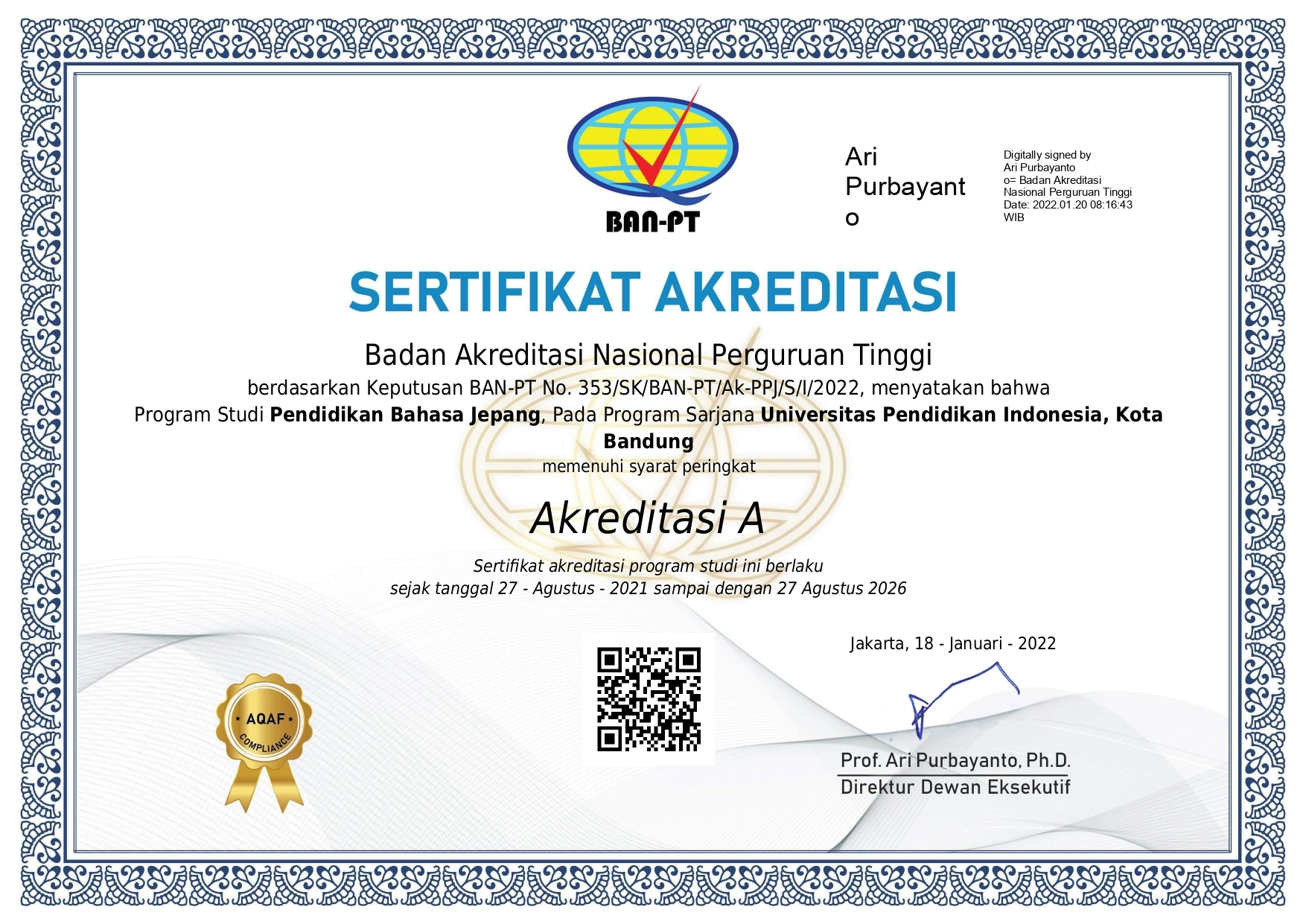
DPBJ earned an "A" accreditation from BAN-PT (SK No. 1680/BAN-PT/Akred/S/VIII/2016).
2019 - ASIC International Accreditation
DPBJ received international accreditation from ASIC (Accreditation Service for International Schools, Colleges and Universities) as a "Premier Institution".
2021 - Program Accreditation "A"
The Japanese Language Education program earned an "A" rating (BAN-PT SK No. 353/SK/BAN-PT/Ak-PPJ/S/I/2022).
2024 - AQAS Accreditation
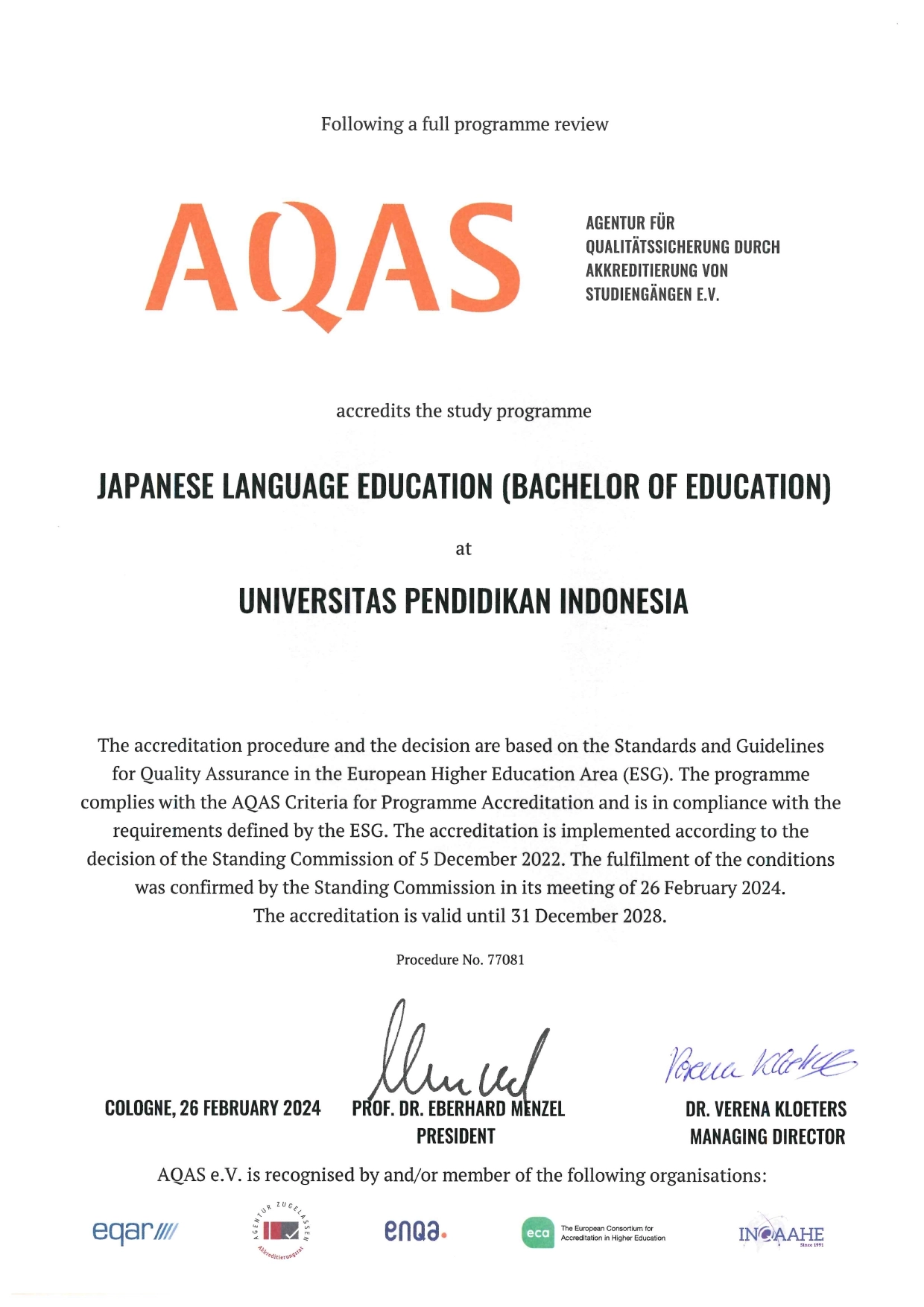
DPBJ obtained international accreditation from AQAS (Agency for Quality Assurance through Accreditation of Study Programs), Germany.
To deliver excellent Japanese language education grounded in the integration of linguistics, pedagogy, and technology, with a global outlook and national-international competitiveness.
- Provide quality Japanese language education by strengthening linguistic, pedagogical, and professional competencies in line with developments in science and technology.
- Develop innovative curricula and learning that continuously integrate Japanese linguistics, pedagogy, and learning technologies.
- Conduct empirical research and community service in Japanese language education that are relevant to community needs and the world of work.
- Strengthen national and international networks and partnerships to enhance graduate competitiveness and the program’s academic recognition.
- Produce graduates who are adaptive, globally minded, and competitive in both education and non-education fields related to Japanese language.
Graduates are expected to become Japanese language experts, teachers, educators, and entrepreneurs in Japanese language-related fields.
- PEO-1: Professional Japanese language educators at the secondary level (formal, non-formal, informal).
- PEO-2: Intermediate Japanese proficiency (JLPT N3 equivalent) for work and further study, and able to design and deliver instruction professionally.
- PEO-3: Researchers in Japanese language education, linguistics, culture, and literature who can develop teaching materials through research.
- PEO-4: Entrepreneurs in Japanese language services (courses, multimedia learning media, or Japanese cultural products).
National Accreditation (BAN-PT)
International Accreditation (AQAS)
Facilities at FPBS UPI
The complete list of dedicated facilities within the Faculty of Language and Arts Education (FPBS) can be accessed via the link below.
View FPBS FacilitiesFacilities across UPI
Beyond the faculty, UPI provides a wide range of general supporting facilities for the entire academic community.
View UPI Facilities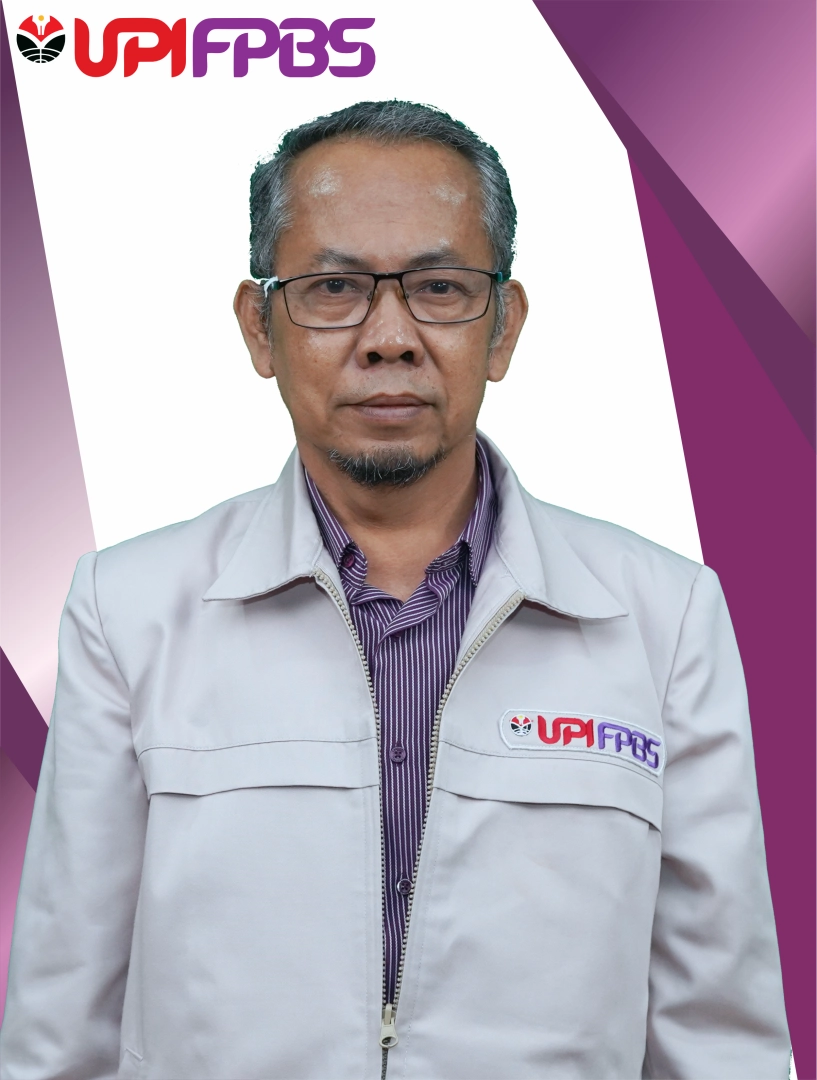
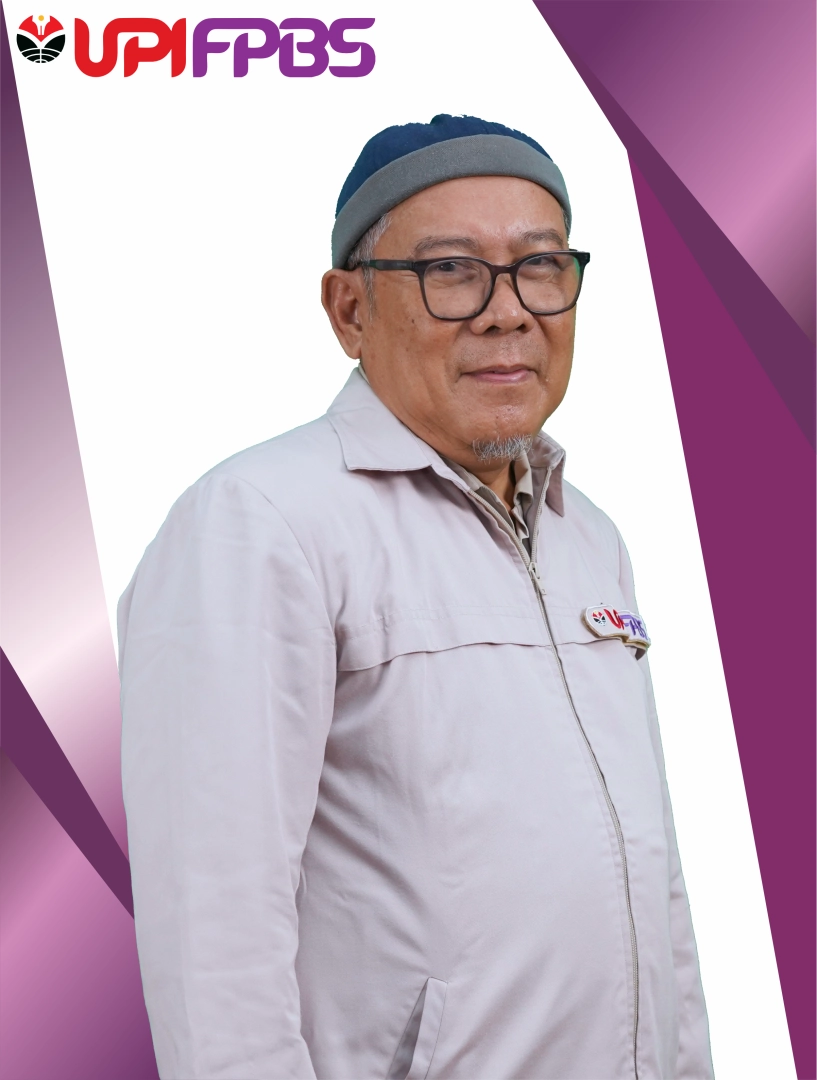
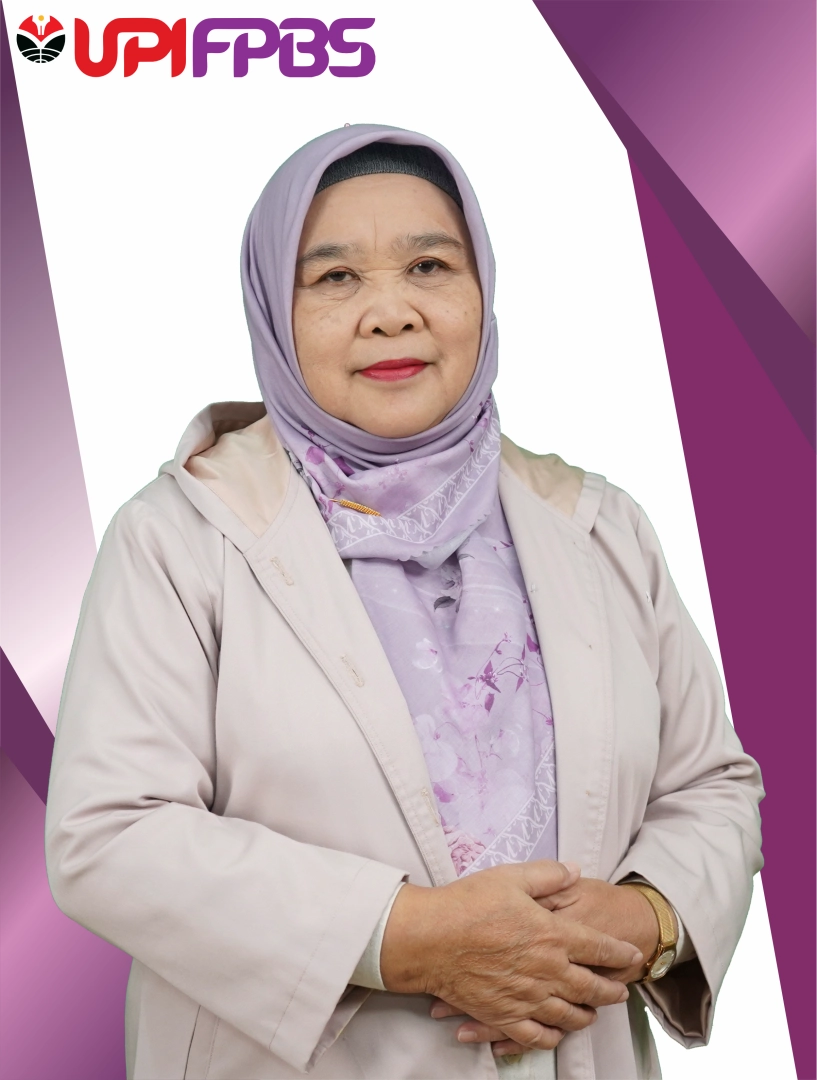
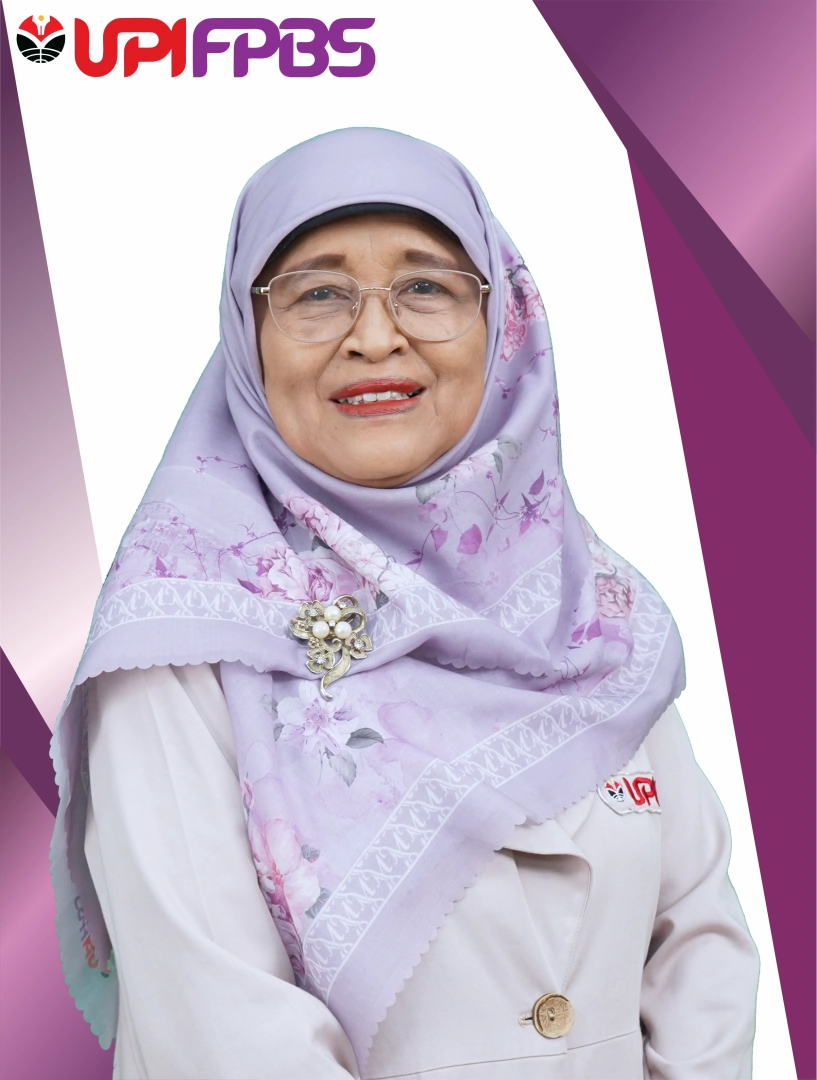
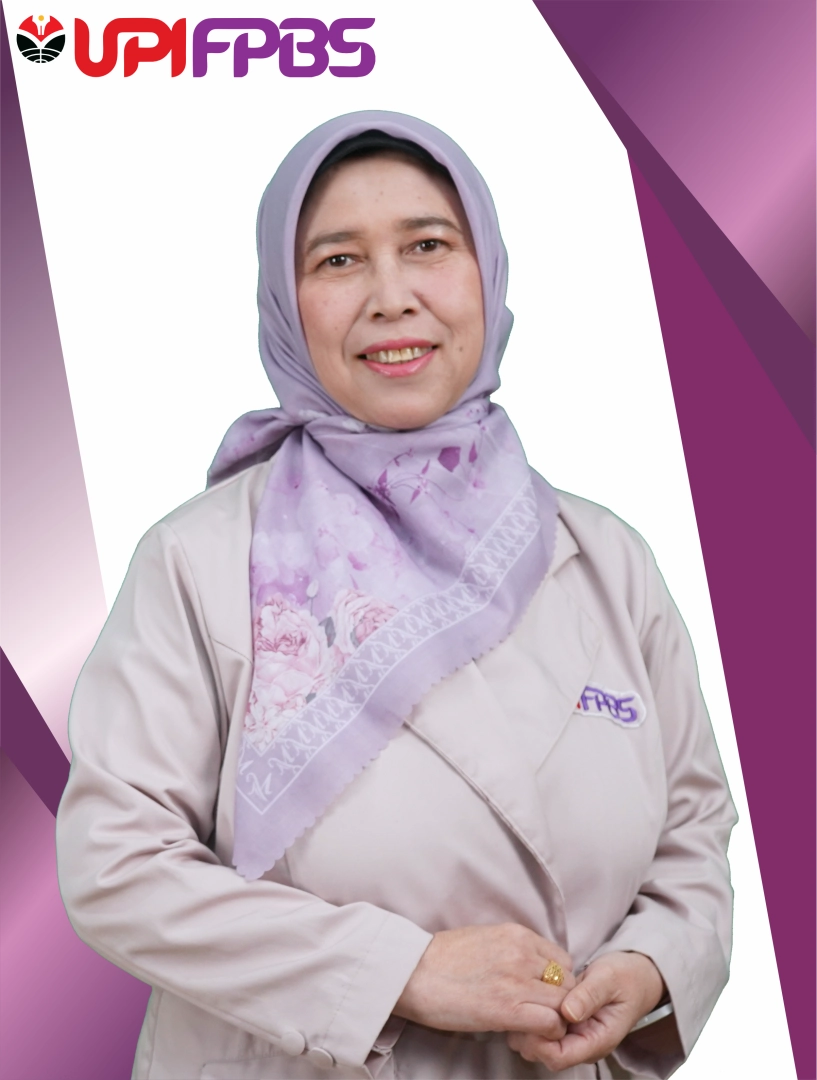
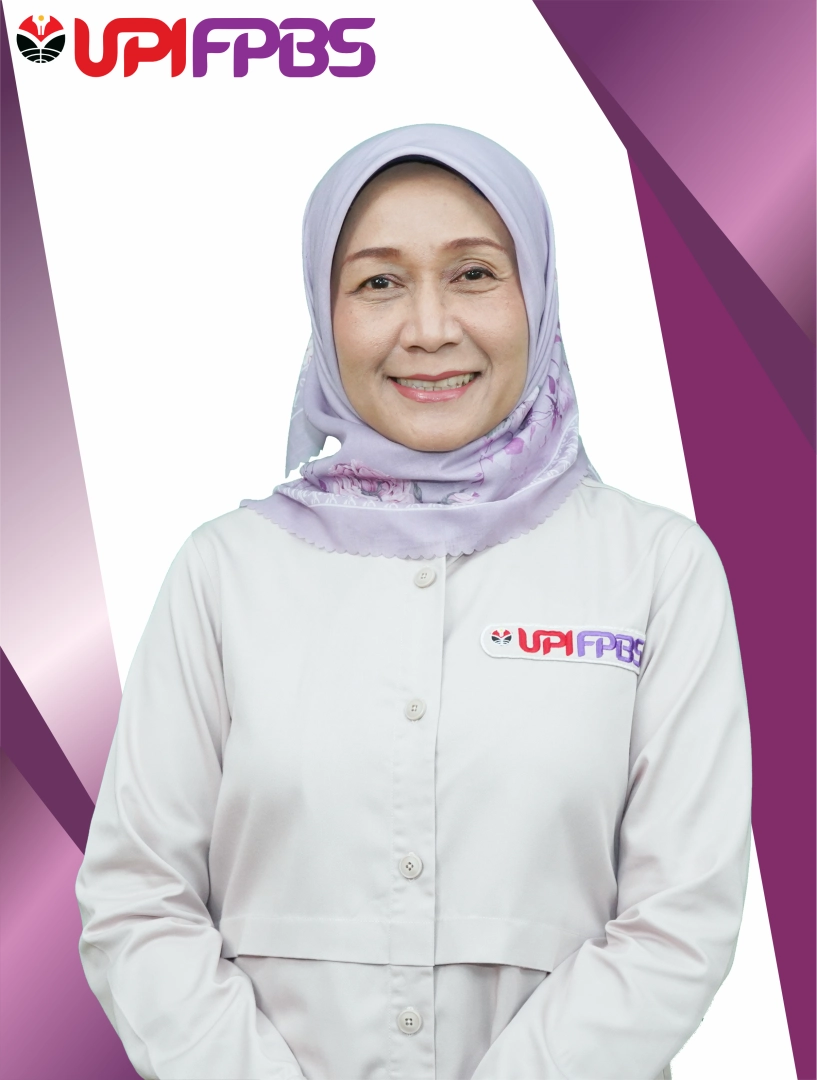
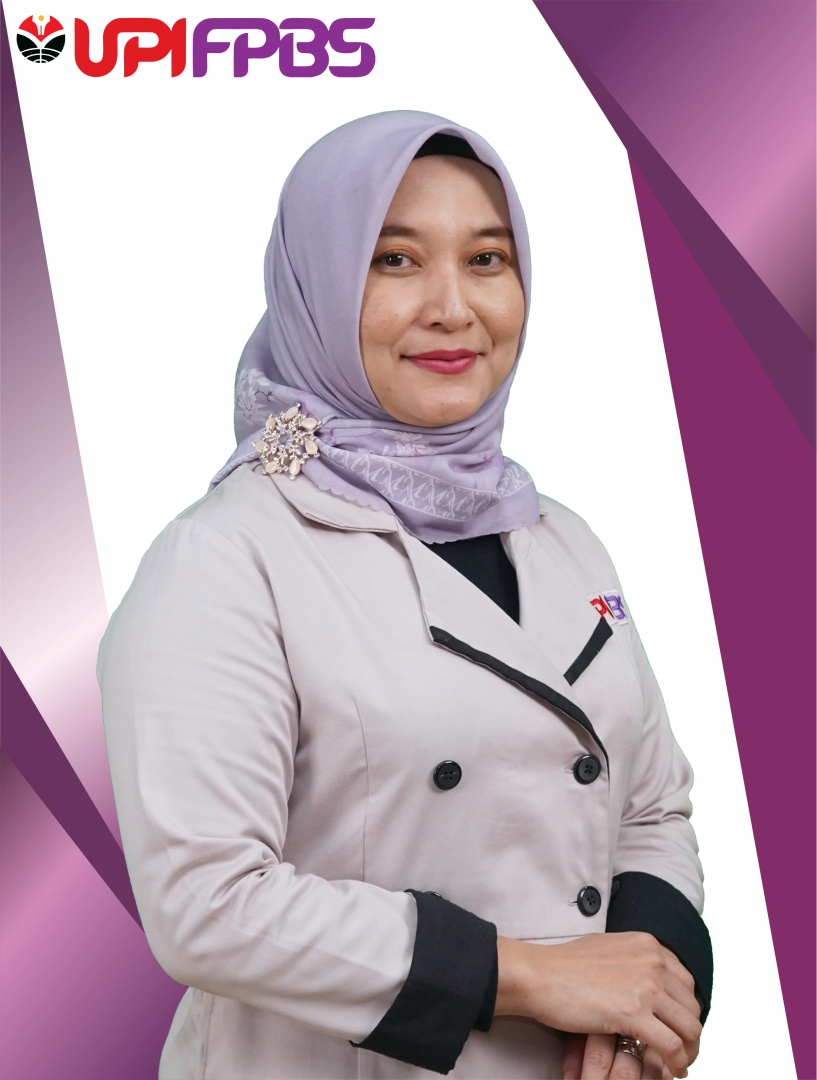
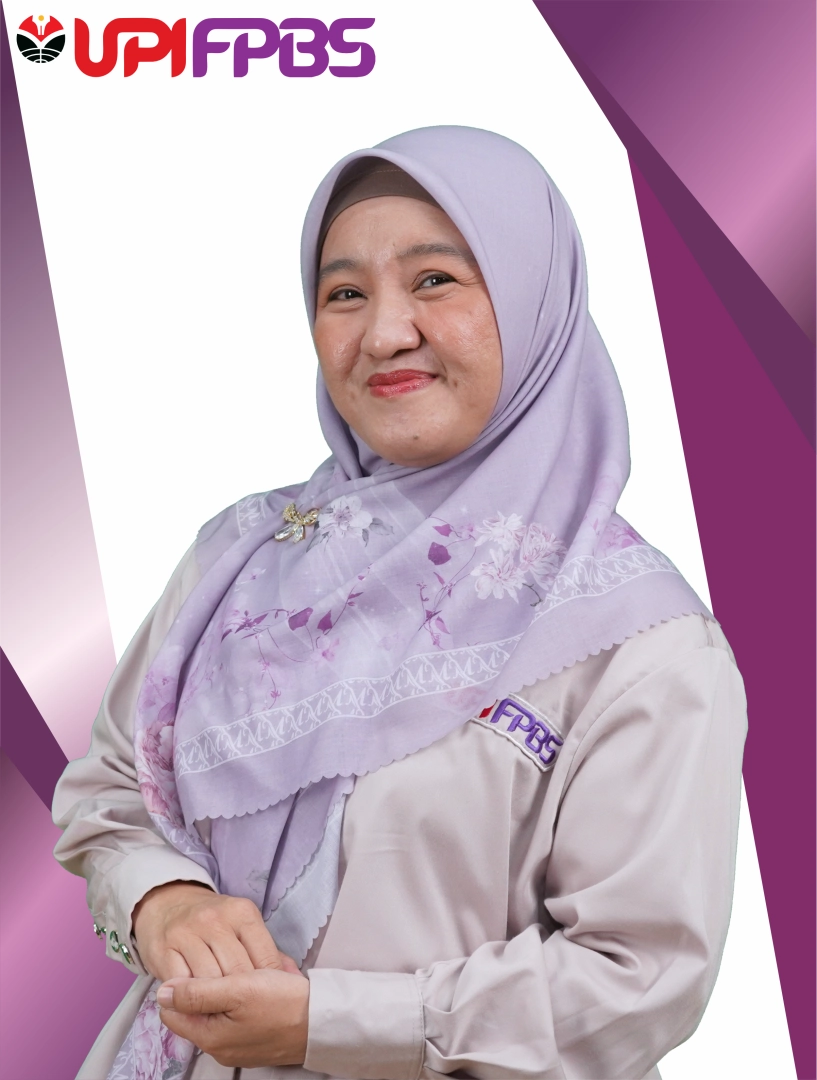
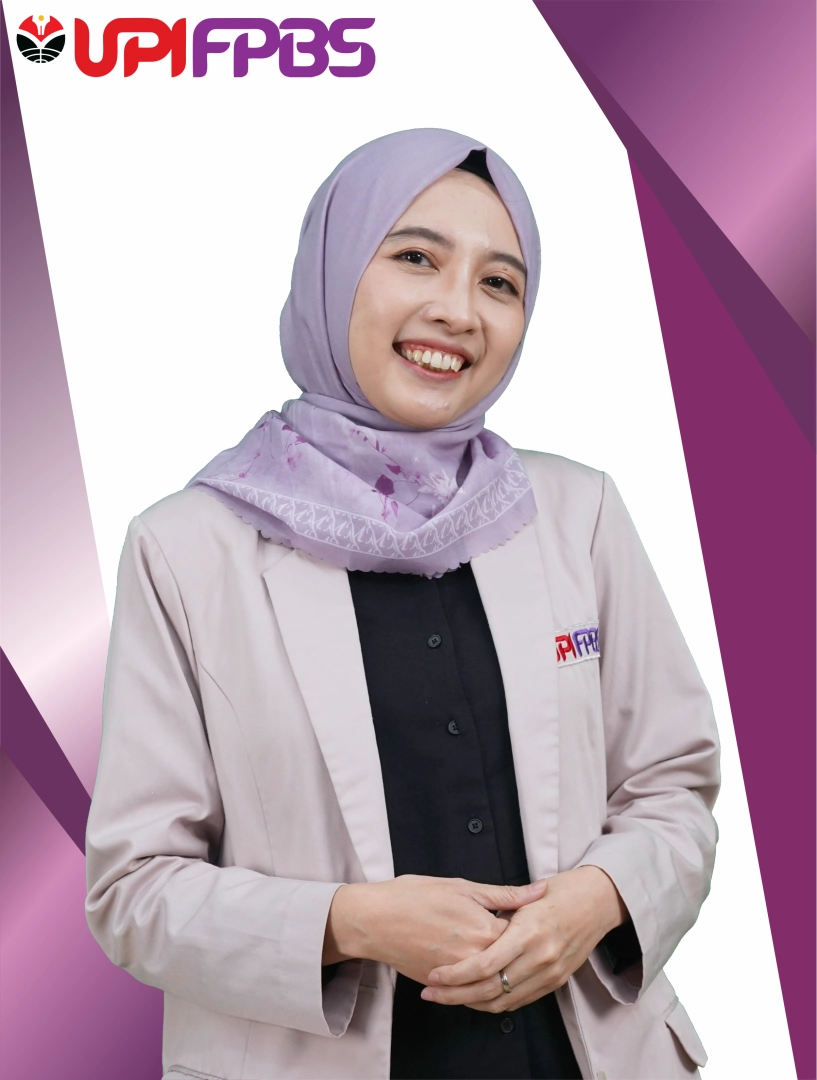

Jeni Putra, M.Pd., Ph.D.
Lecturer
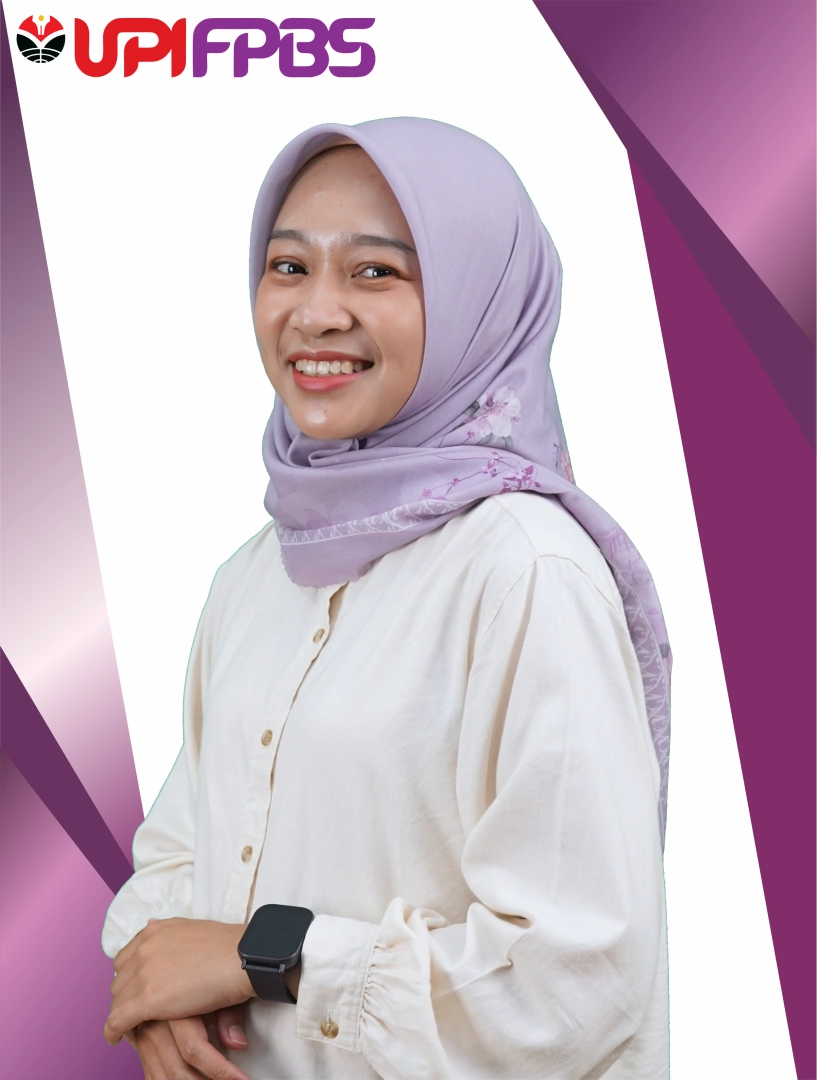
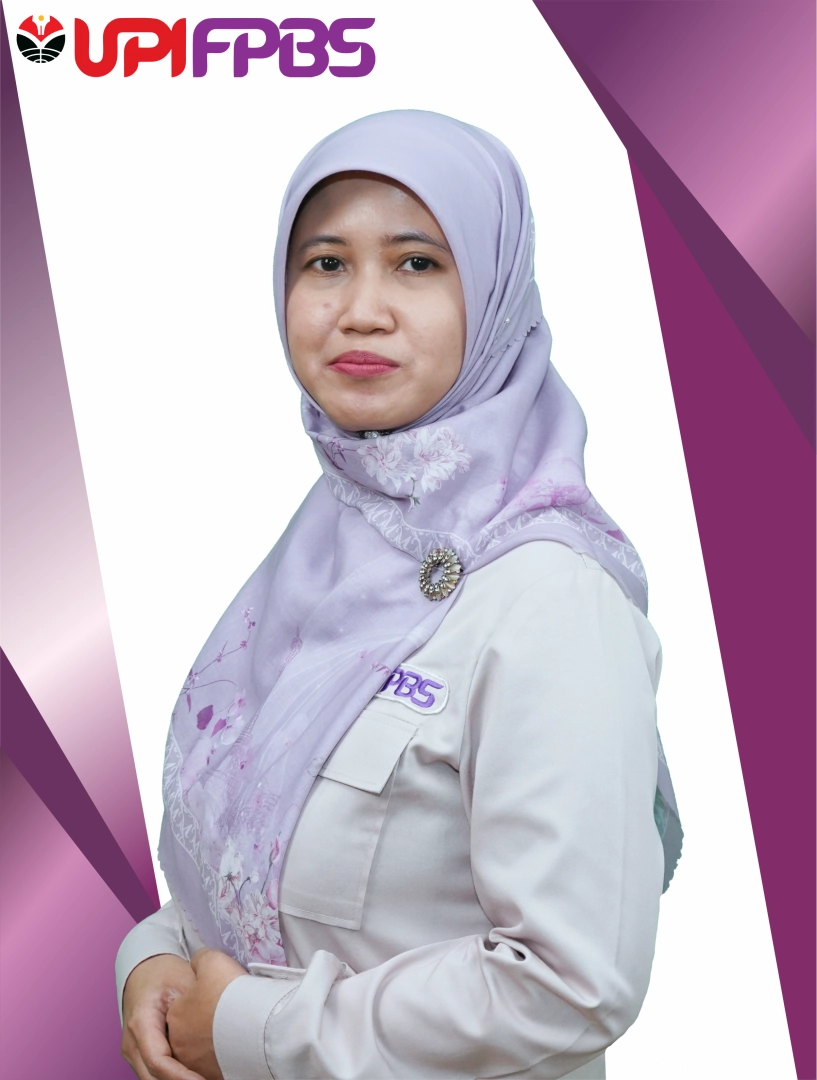
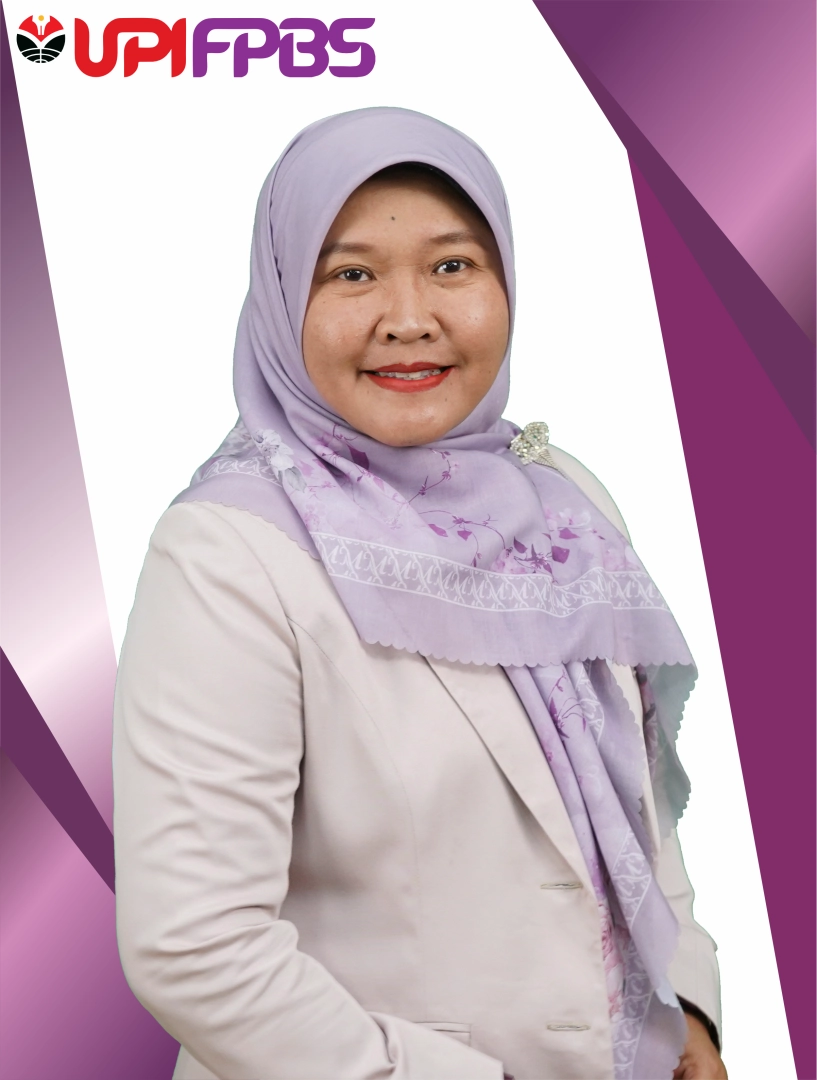
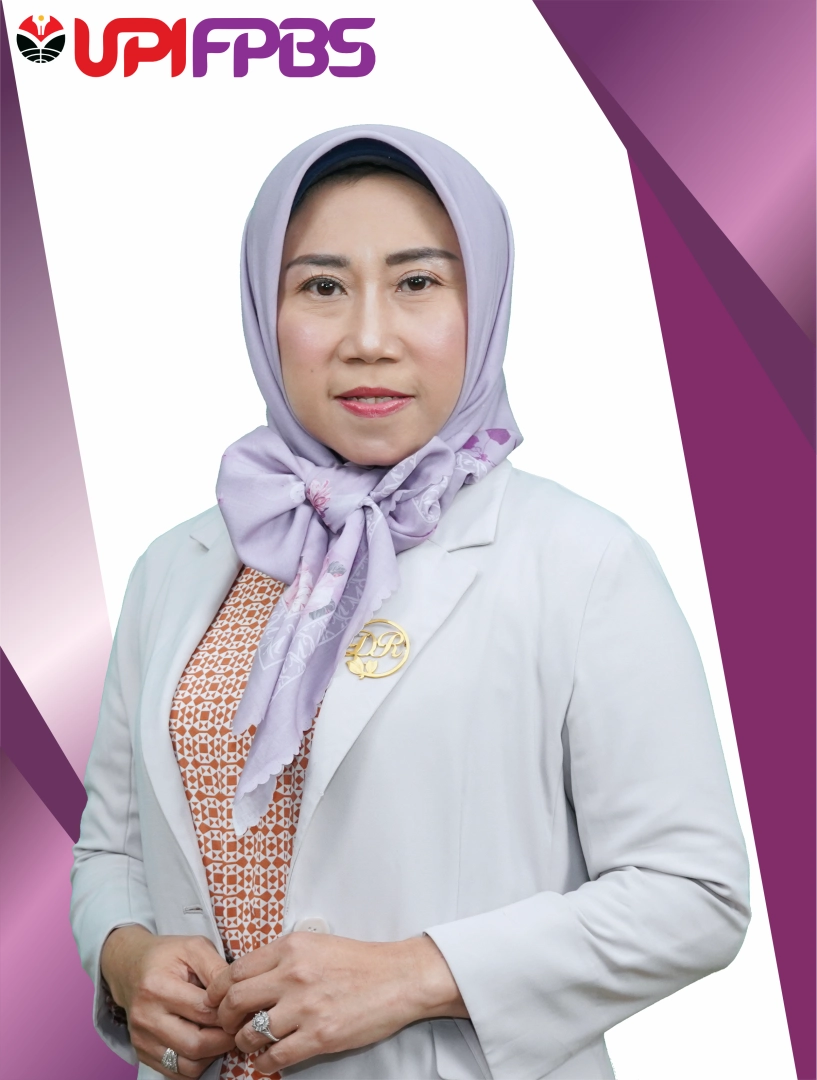
Muthi Afifah, S.Pd., M.A., Ph.D.
Assistant Lecturer
The Bachelor of Japanese Language Education builds partnerships in education, research, and community service—covering student and faculty exchanges, joint research, cultural seminars, and internships both at home and abroad.
Student & faculty exchange, teaching practice, seminar speakers:
- Kanazawa University
- Gunma University
- Hiroshima University
- Hiroshima Prefectural University
- Shizuoka University
- Tokyo Gakugei University
- Tokyo Metropolitan University
- Musashino University
- Konan University
- Rikkyo University
- Tohoku University
- Nagoya University
- Nihon University
- Ibaraki University
- Ibaraki IT College
- Busan University
- Universiti Kebangsaan Malaysia
- Siam University
Student exchanges, public lectures, P3K, and exams:
- Universitas Ganesha (Undiksha)
- Universitas Riau (UNRI)
- Institut Teknologi Bandung (ITB)
- Universitas Padjadjaran (UNPAD)
- Universitas Negeri Malang (UM)
- Universitas Negeri Makassar (UNM)
- Asosiasi Studi Jepang di Indonesia (ASJI)
- PT. Andalan Global Media
- SMA Labschool UPI, SMAN 2 & 8 Bandung, SMA Sumatra 40, SMA Pasundan 2, SMA Kartika XIX
Internships at Japanese institutions and global companies:
- PT. Orion Harmoni Mandala (OHM)
- Tosa Country Golf, Arima Golf, Raizan Golf Club, Kokura Golf Club
- Komatsu Golf Club, Brooks Golf Club, Golden Cross
- Katano Golf Club, Eniwa Country Club, Sapporo Country Club
- Hon Chiba Country Club, JB Eleven, Kikogen Golf Club Wakayama
- ANA Narita Airport Service, Haneda Airport Service Group
- Kanto Tech Co., Ltd., KFC Holdings Japan Co., Ltd.
- PT Liana Segrus, PT. Yona Dewi Sejahtera
- Kanaya Resort, Hiroshima Airport Hotel
- Ibaraki Prefectural Government, Tsukuba Shokuhin Co., Ltd.
- Mori Kosan Co., Ltd., Tokyo Operation Partners Co., Ltd.
Industry and training-center partnerships:
- PT. Global Mobility Service Indonesia
- LPK Iwa Kyo Indonesia
- PT OS Selnajaya
- PT. Yona Dewi Sejahtera
- KADIN
Cultural exchanges & teaching quality enhancement:
- SMA Suijo Ibaraki
- SMA Minabe Wakayama
- SMA Kyoukan Wakayama
- SMA Sasebo Kita Nagasaki
Seminars & workshops on Japanese language teaching:
- National and regional Japanese Language Teacher Working Group (MGMP)
The program builds partnerships in education, research, and community service—covering student and faculty exchanges, joint research, cultural seminars, and internships both at home and abroad.
The program builds partnerships in education, research, and community service—covering student and faculty exchanges, joint research, cultural seminars, and internships both at home and abroad.
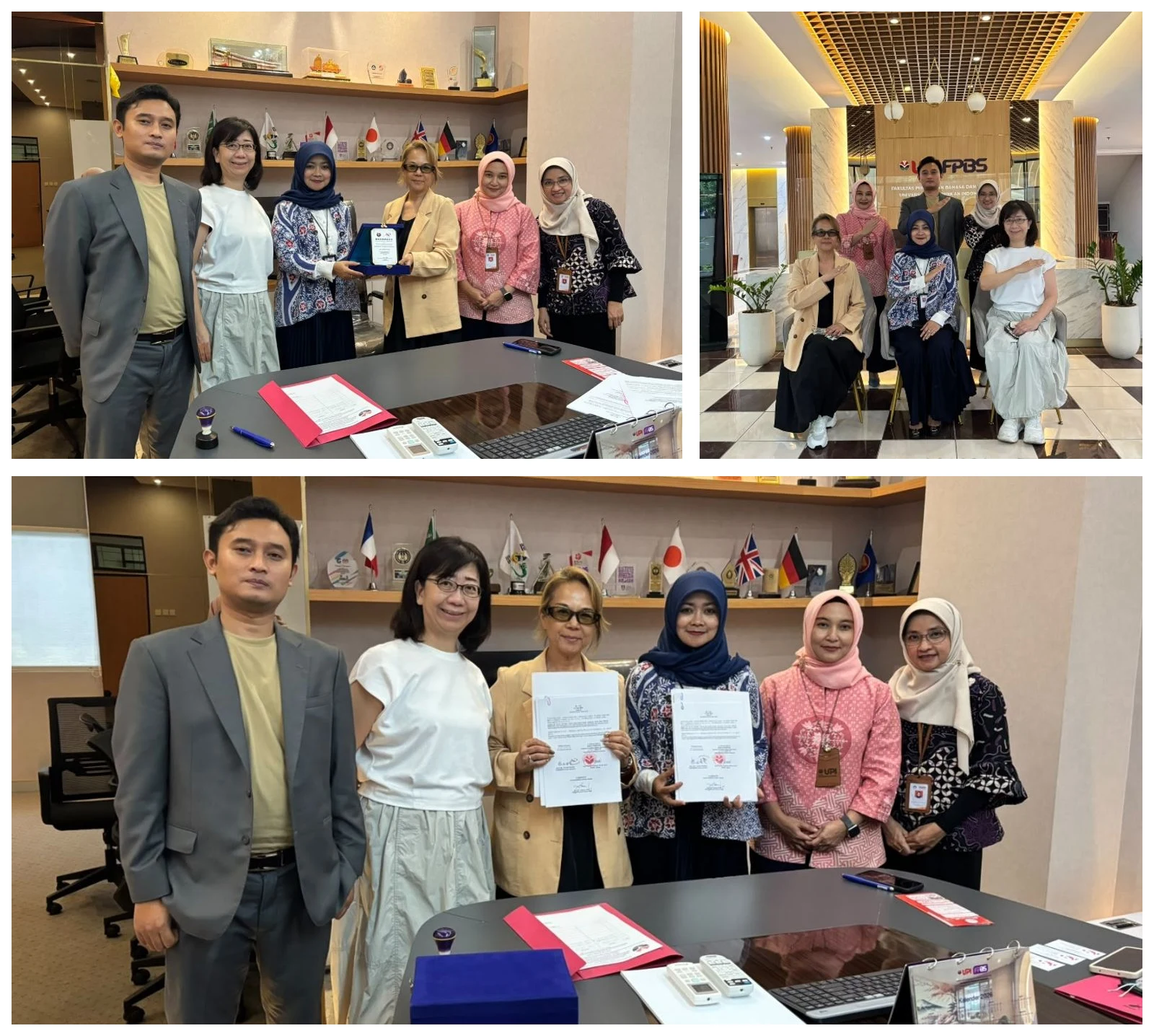
June 26, 2026
FPBS and UPI's Japanese Language Education Program Establish Partnership with LPK Kokorono Siji to Strengthen Student Internship Opportunities
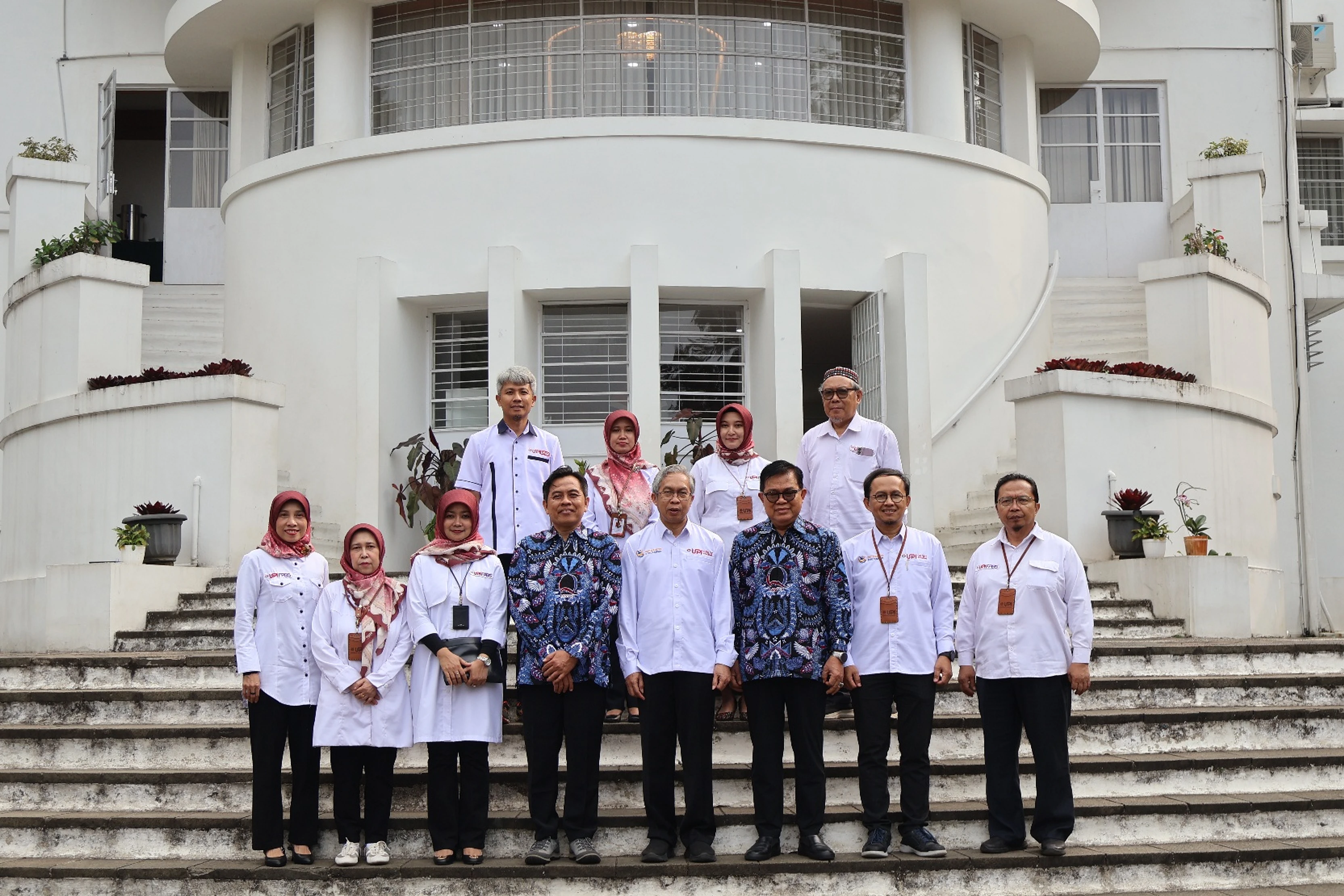
June 23, 2026
FPBS UPI Japanese Language Education Study Program Undergoes LAMDIK Site Assessment as a Commitment toward Excellent Accreditation
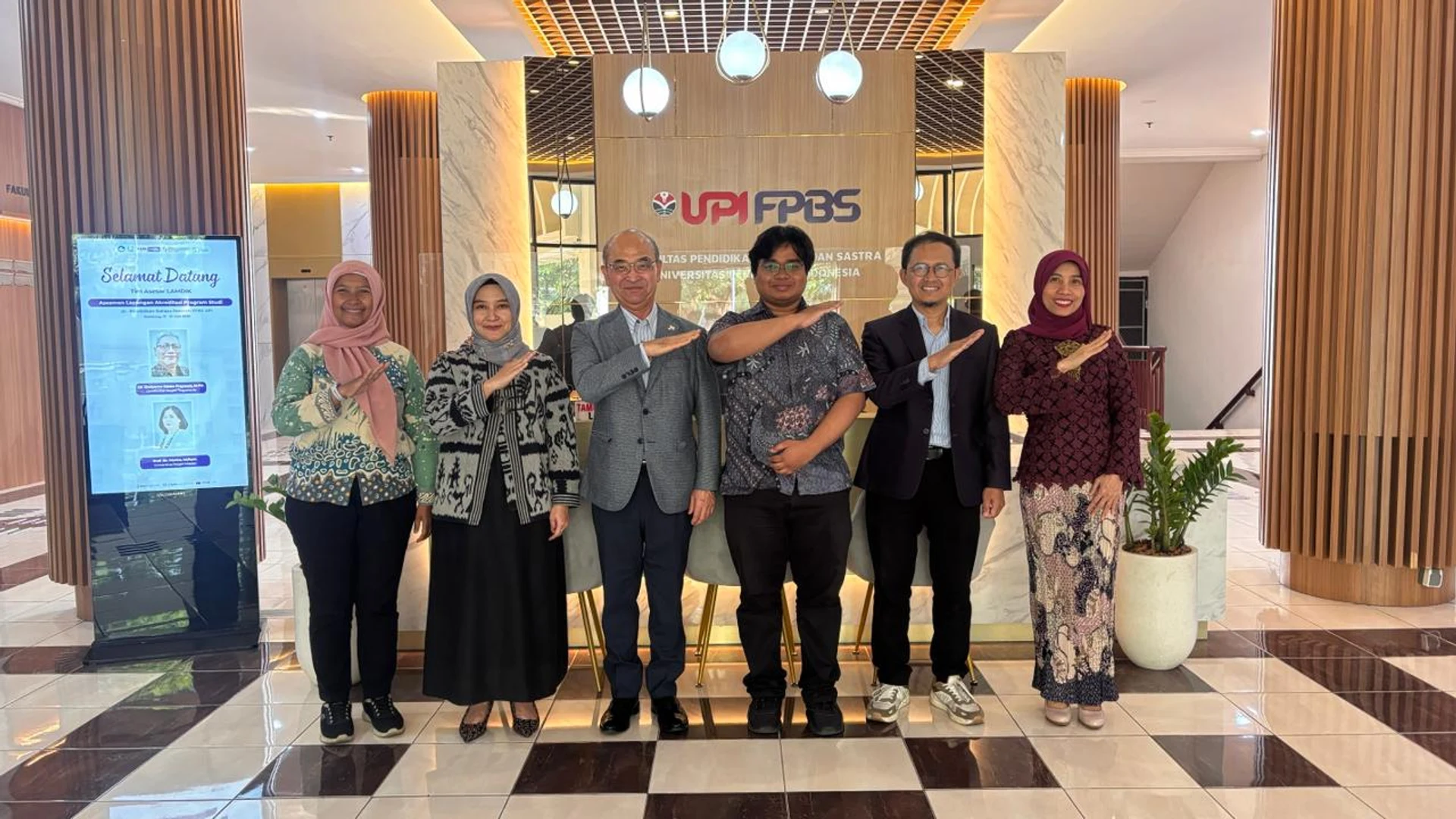
June 17, 2026
FPBS UPI and SUIDO TECHNICAL SERVICE Co., Ltd. Strengthen Cooperation in the Tridharma of Higher Education and International Internship Programs
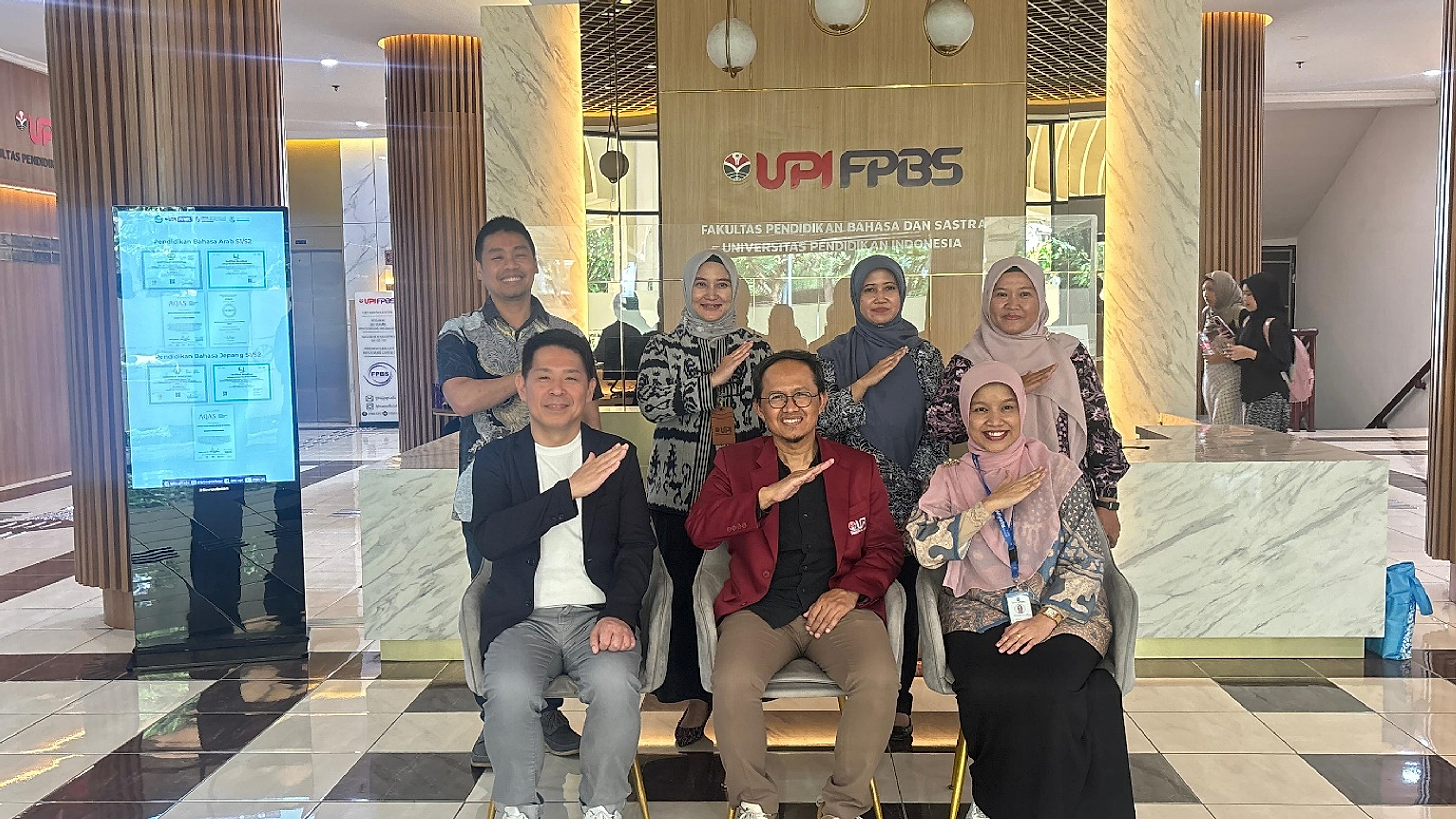
May 5, 2026
Expanding Students' Global Opportunities, FPBS UPI Signs Cooperation Agreement with Sekiya Resort for the MBKM Internship Program in Japan
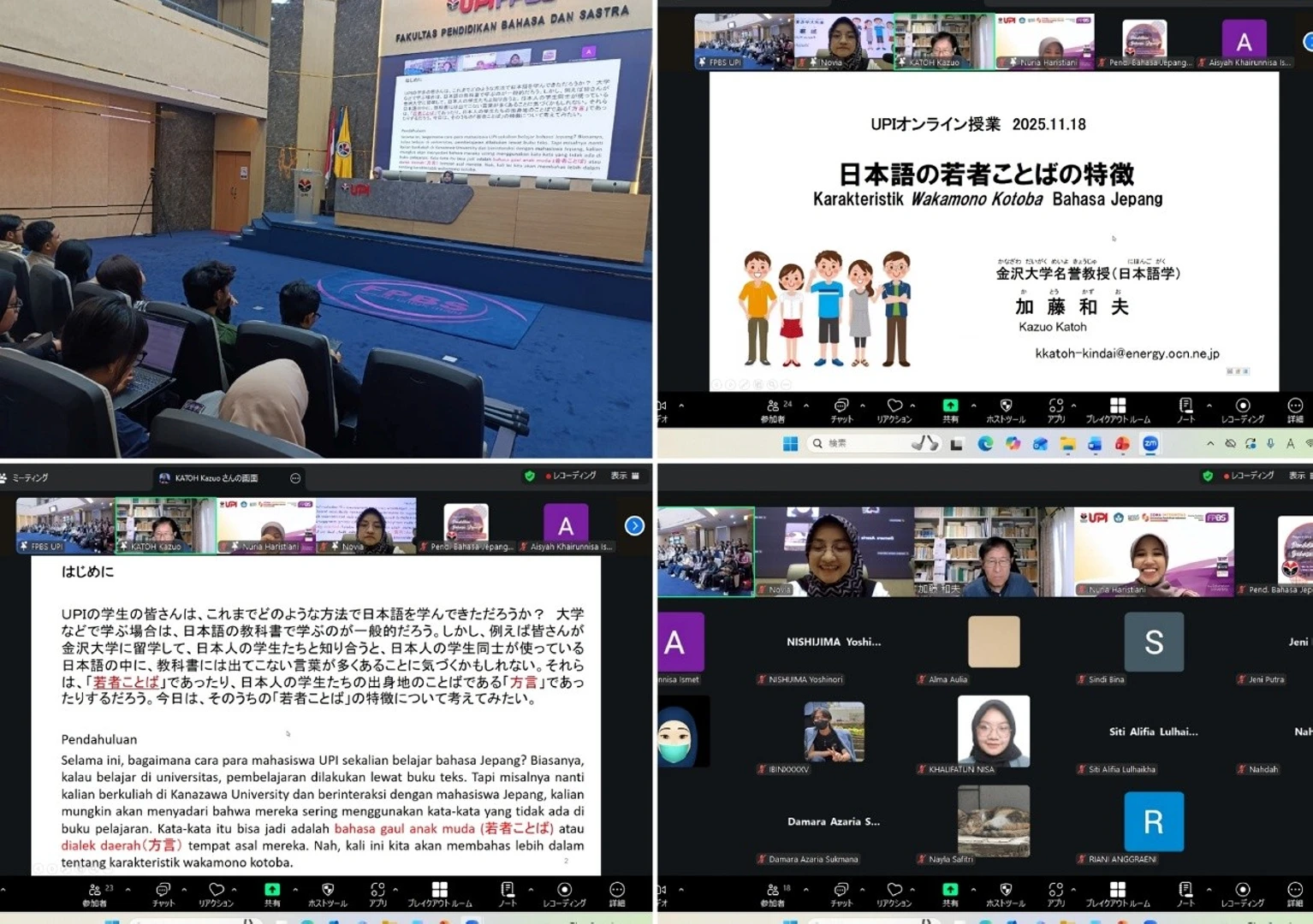
November 18, 2025
Public Lecture: Characteristics of Wakamono Kotoba in Japanese
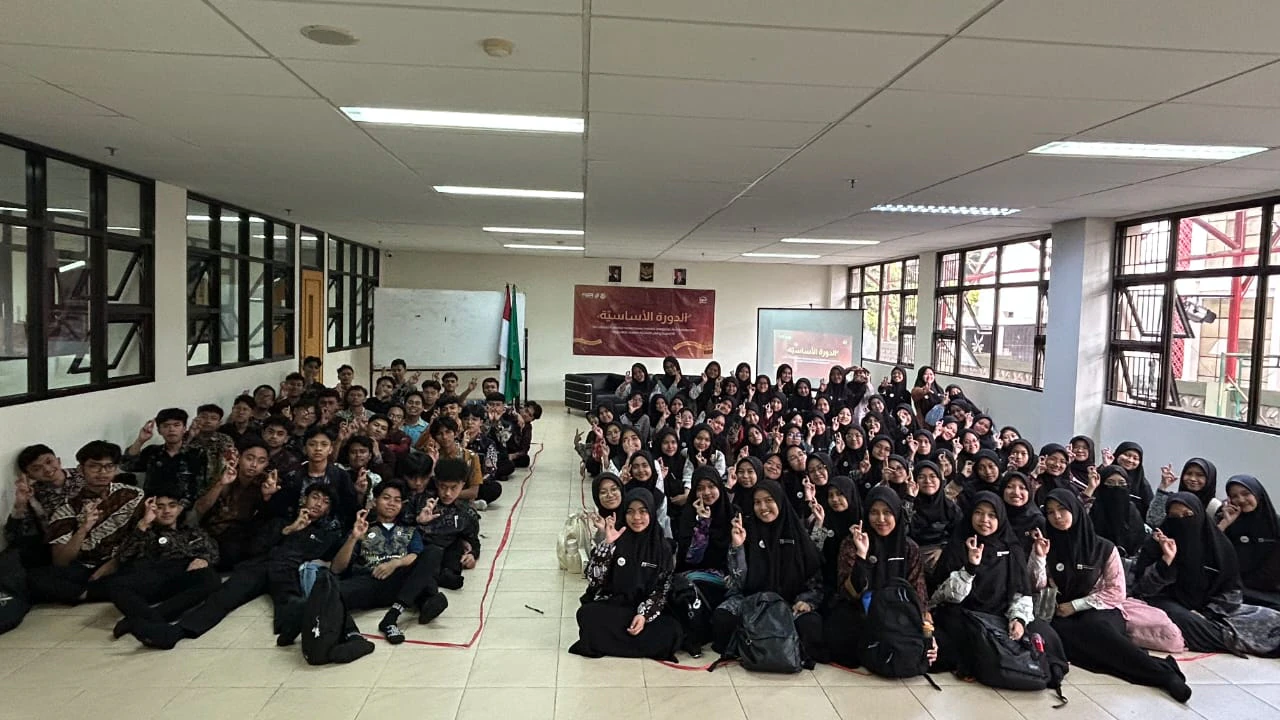
September 26, 2026
Strengthening New Students' Character and Adaptability, BEM KEMABA FPBS UPI Holds the 2026 Daurah Asāsiyyah al-Ūla
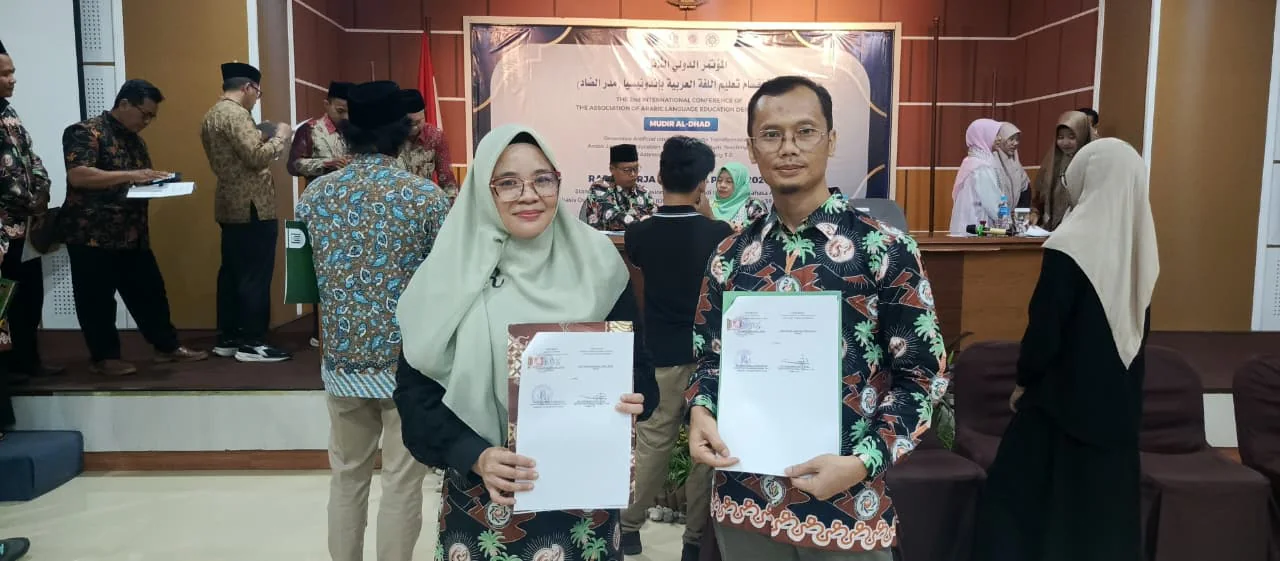
September 25, 2026
PBA UPI Strengthens Its National Network through MoA and IA Partnerships with Arabic Language Education Institutions
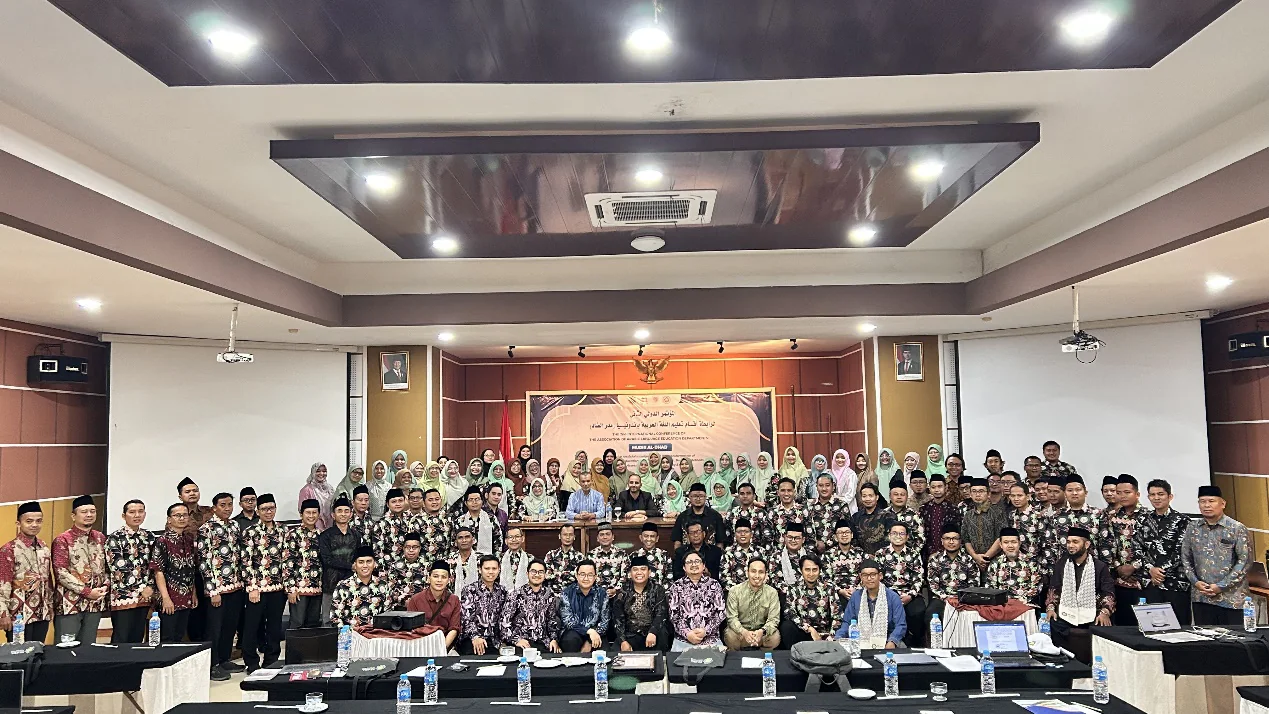
September 25, 2026
Arabic Language Education at FPBS UPI Bandung Promotes Stronger OBE-Based Course Plans through the PPPBA National Working Meeting and International Conference
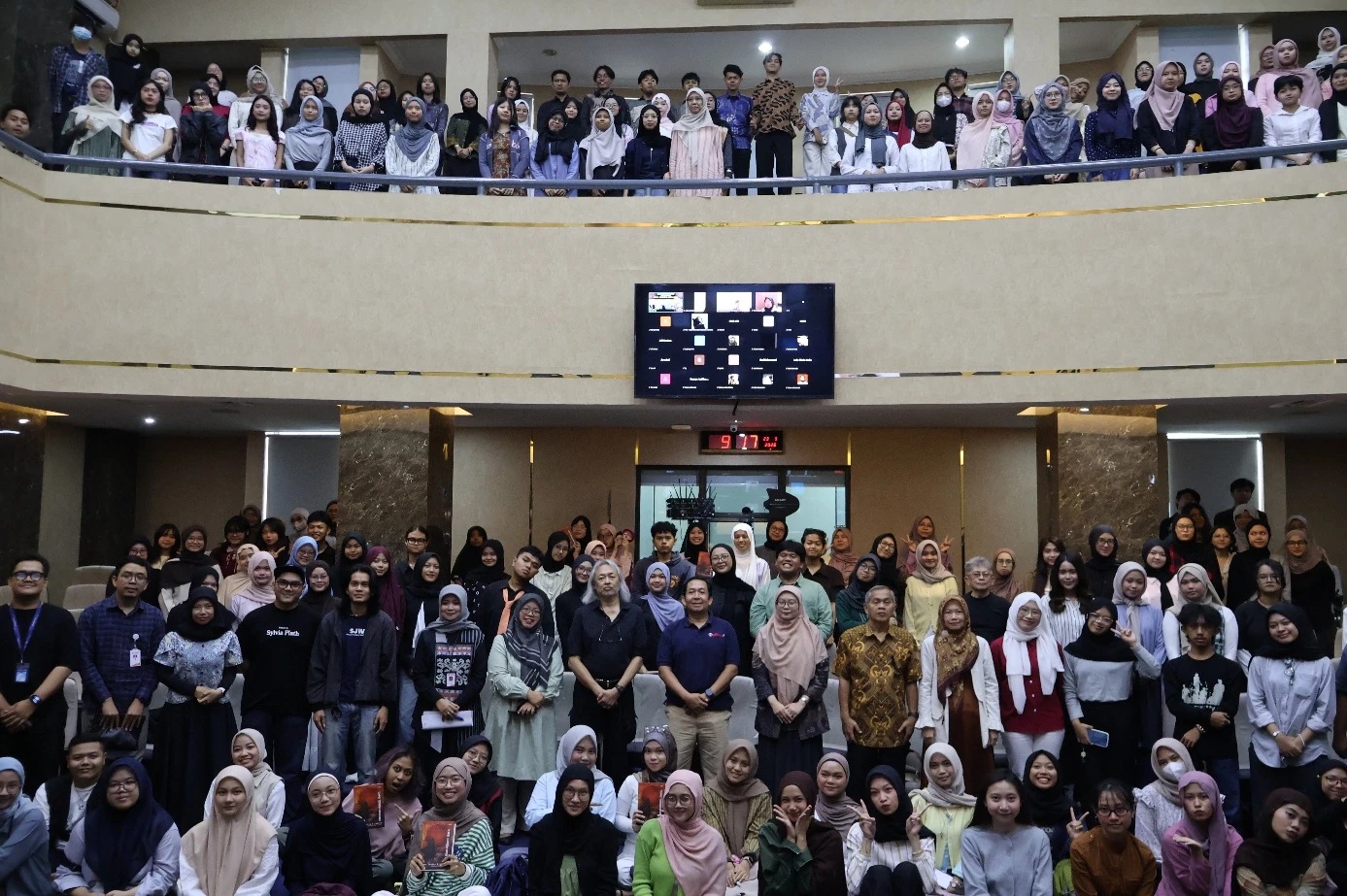
September 23, 2026
Seno Gumira Ajidarma Book Discussion Creates a Space for Literary Dialogue at FPBS UPI
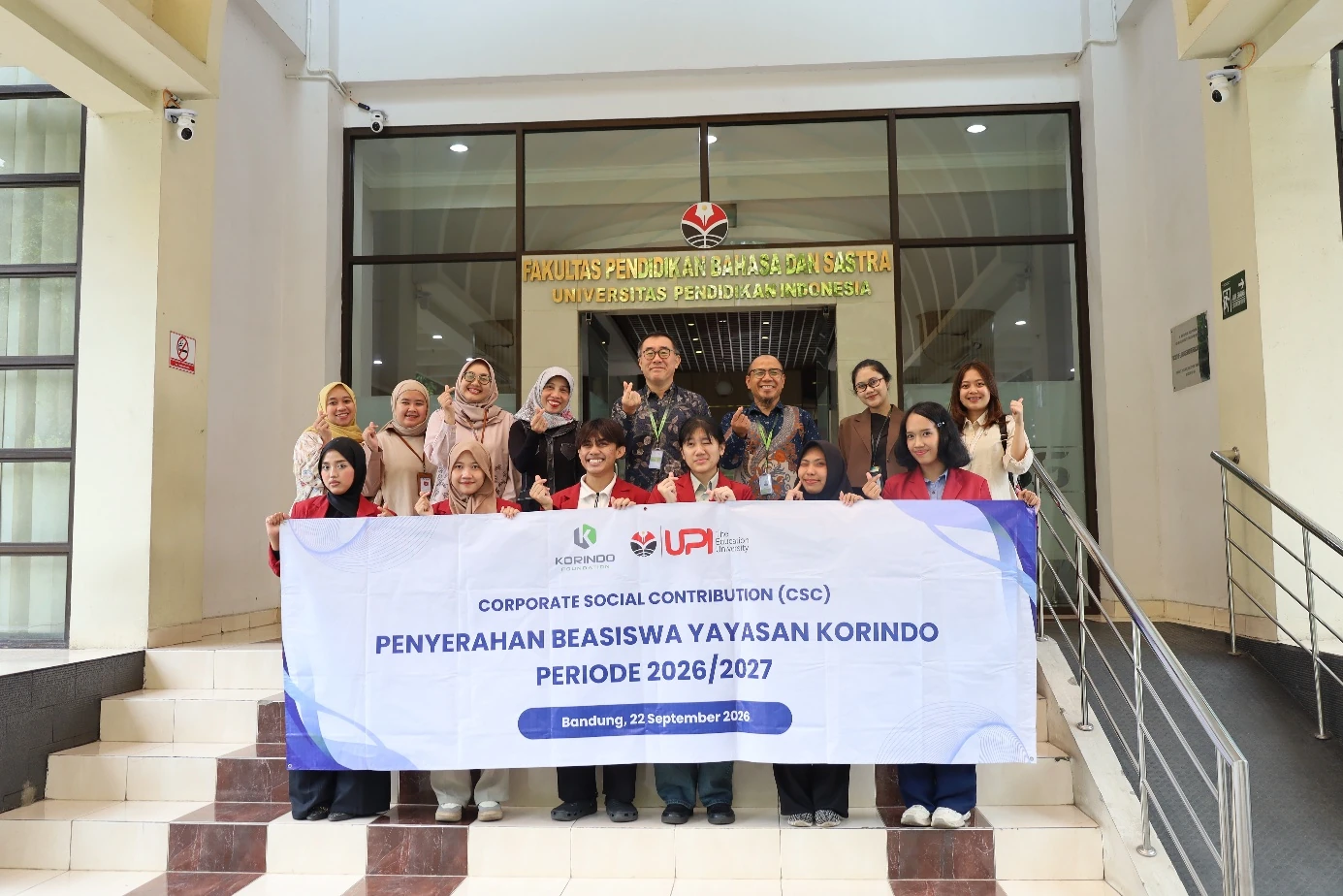
September 22, 2026
FPBS UPI Holds 2026–2027 KORINDO Foundation Scholarship Presentation